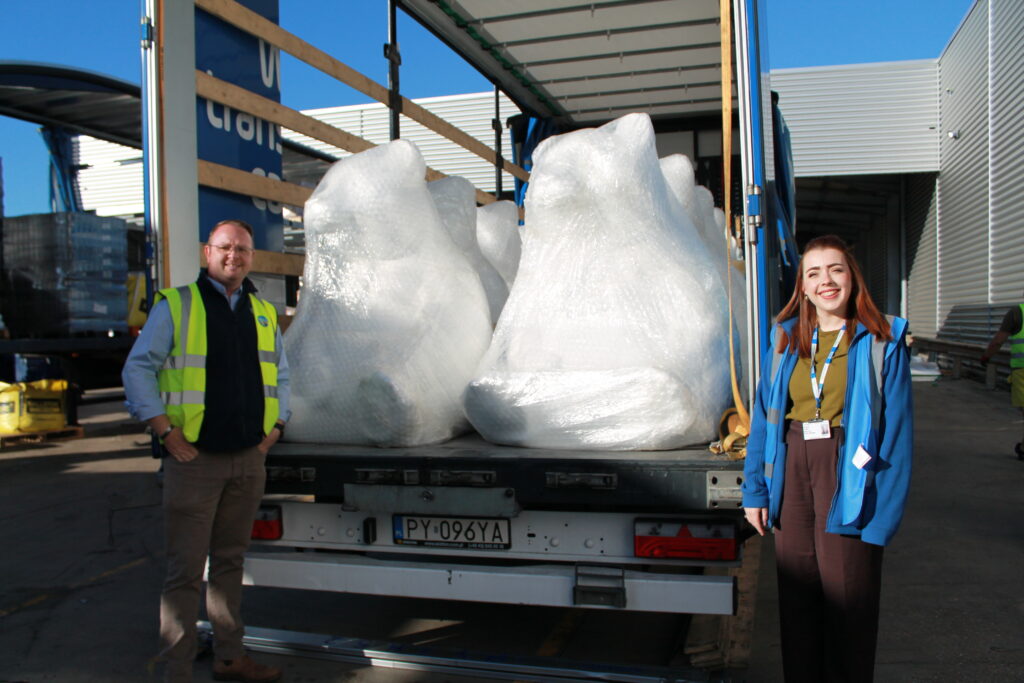
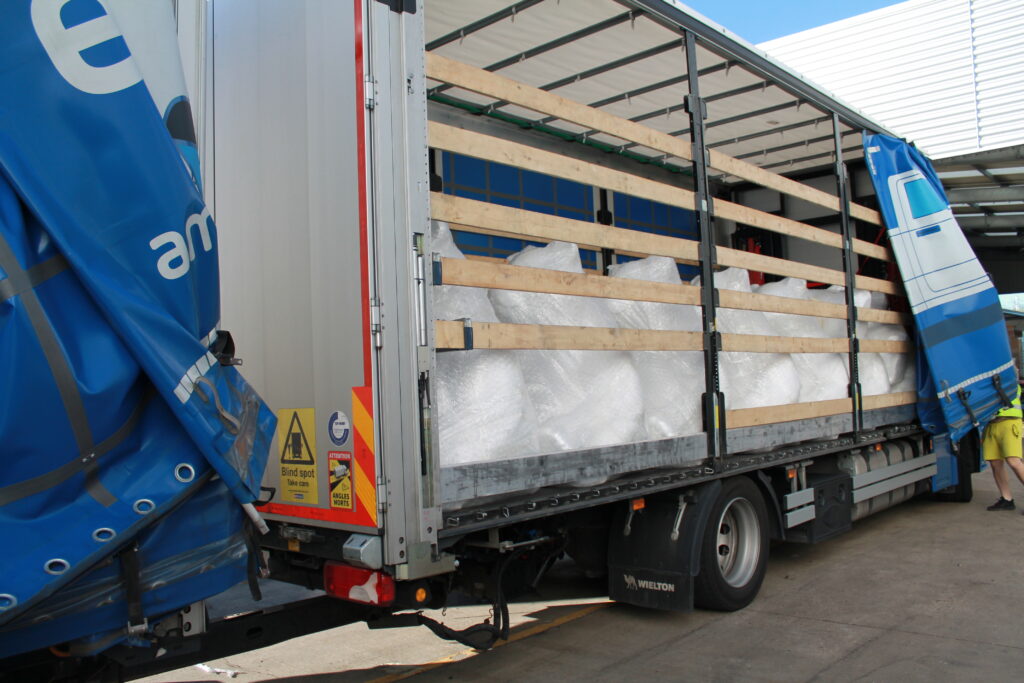
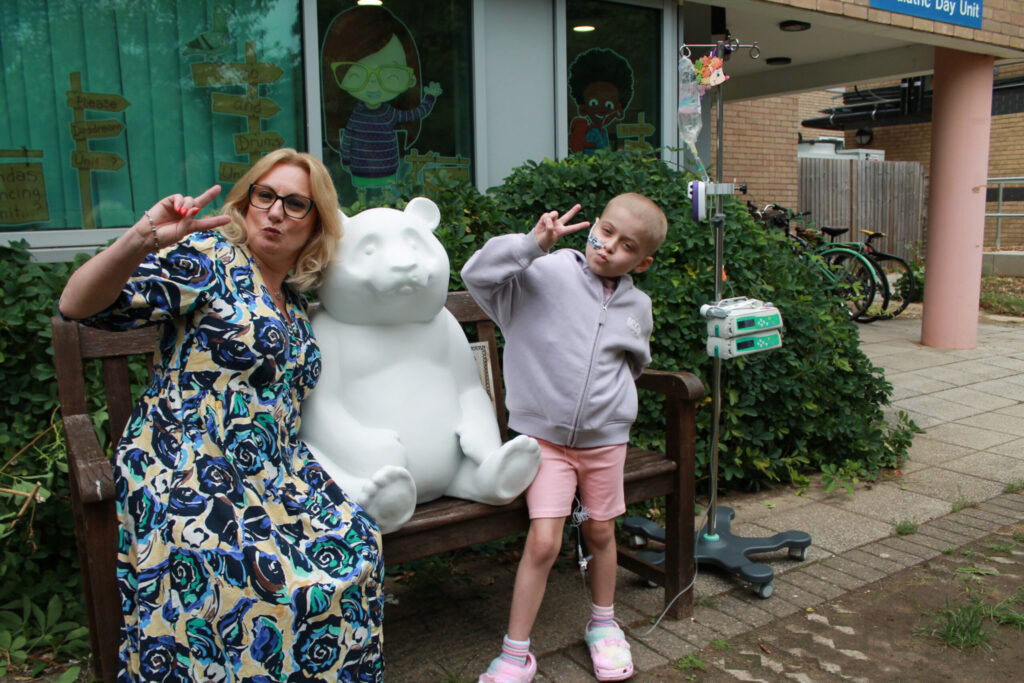
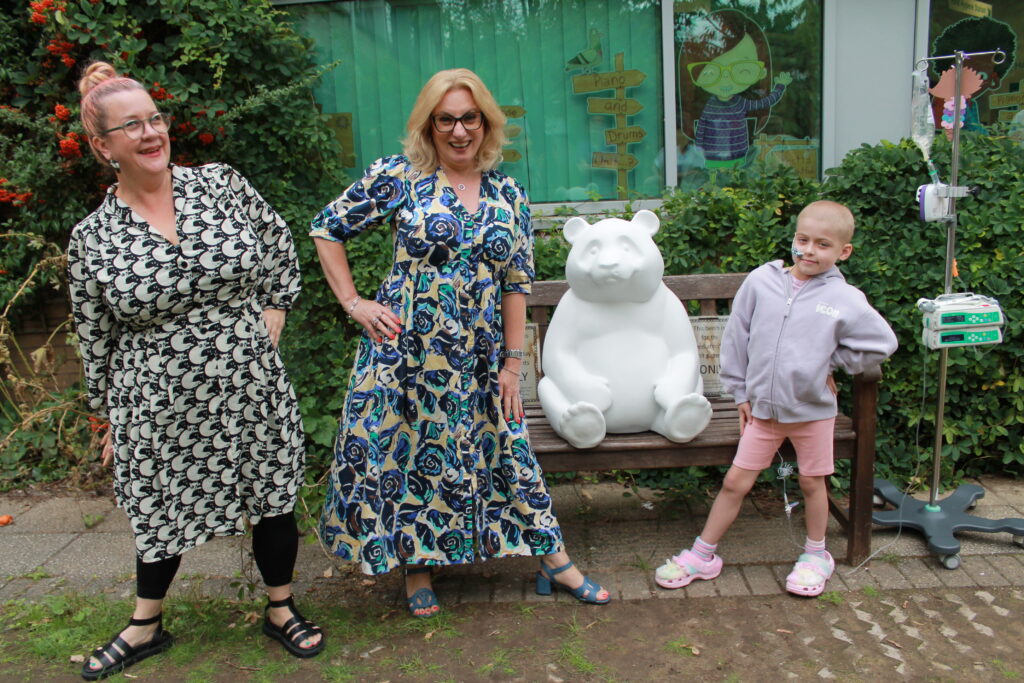
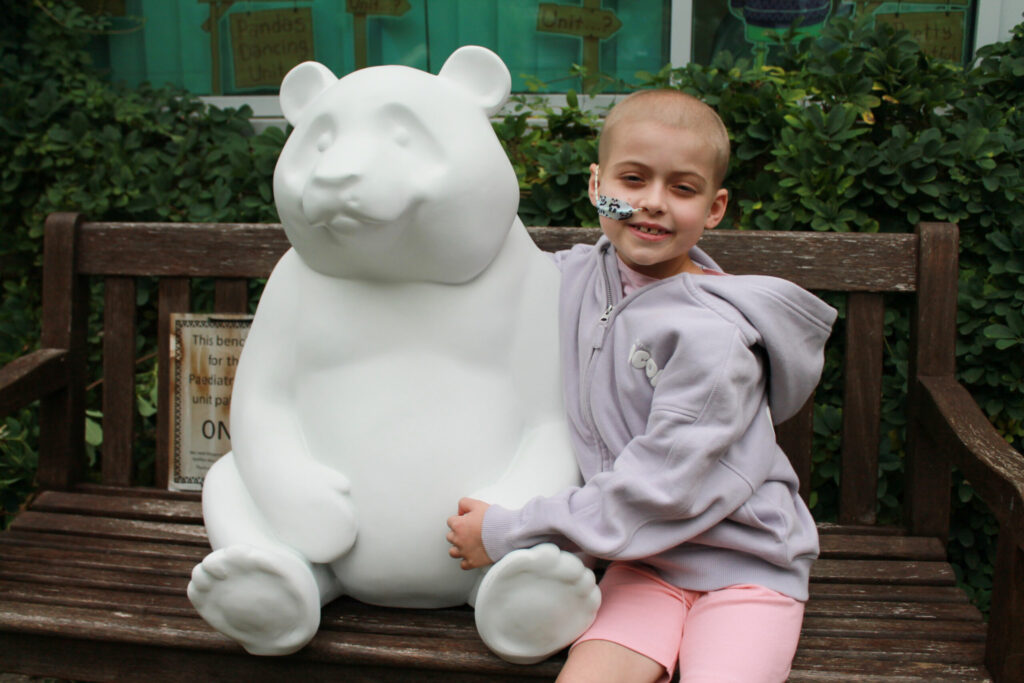
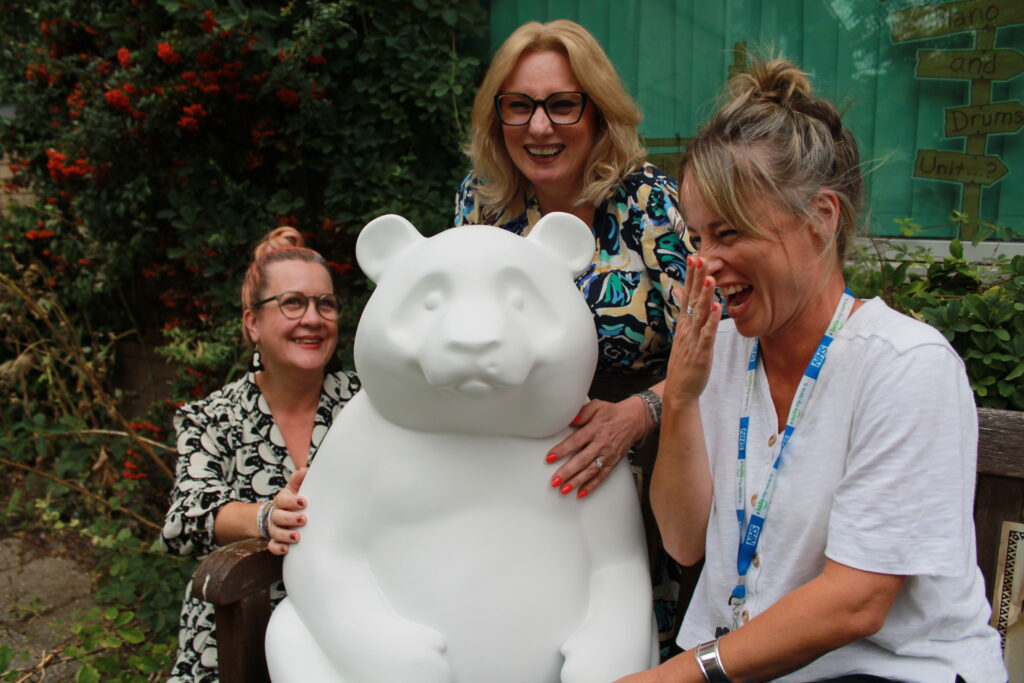
A special delivery of 29 giant pandas and 40 panda cubs has arrived in the UK – brilliant white sculptures set to be decorated and celebrated as part of the Panda Meander art trail coming to Cambridge in Spring 2027.
An array of beautiful and unique designs, from artists in Cambridge and across the UK, have been selected by a host of local businesses sponsoring a panda to raise funds to build the first specialist children’s hospital for the East of England as well as supporting children’s services at Addenbrooke’s.
The Panda Meander art trail will be Wild in Art’s third trail in the city and is hosted by Addenbrooke’s Charitable Trust (ACT). The charity funds cutting-edge equipment, specialist staff, extra comforts and pioneering research that helps change and save lives, for Addenbrooke’s and the Rosie, above and beyond what the NHS can provide.
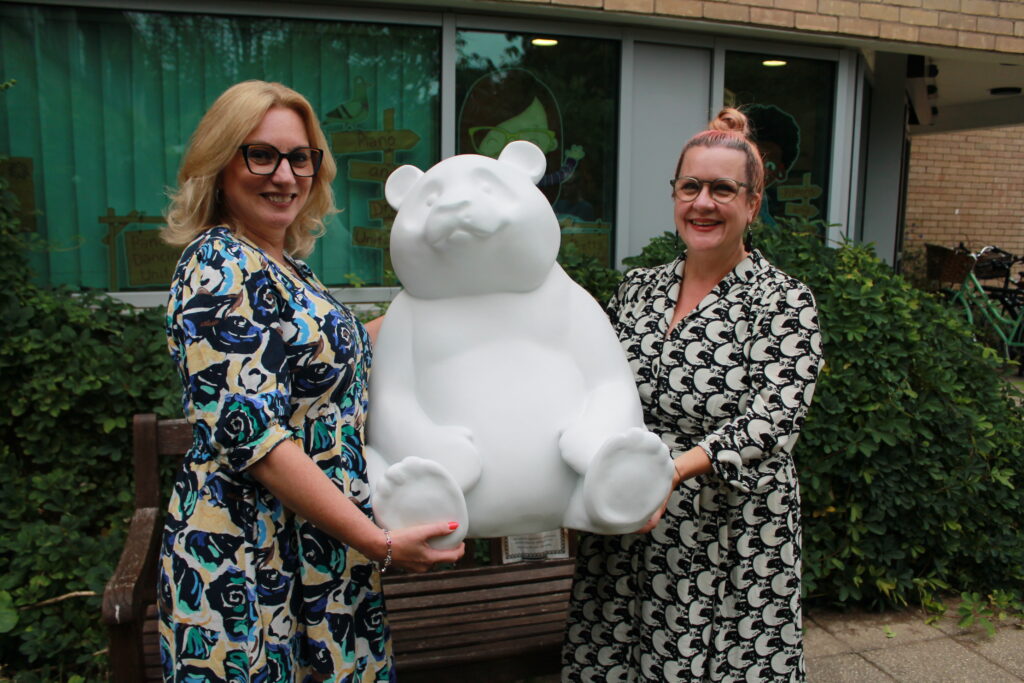
Never did I ever think in my professional life that I would be quality controlling a large panda, but I’m pleased that they’ve arrived in one piece from their journey from a factory in Poland.
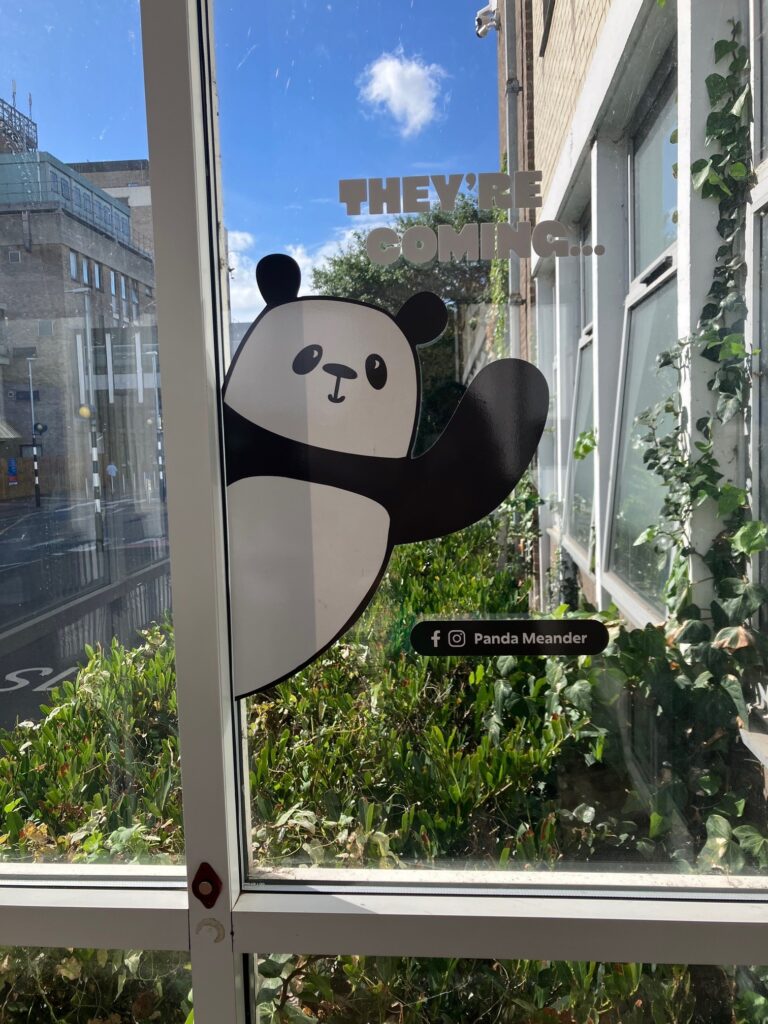
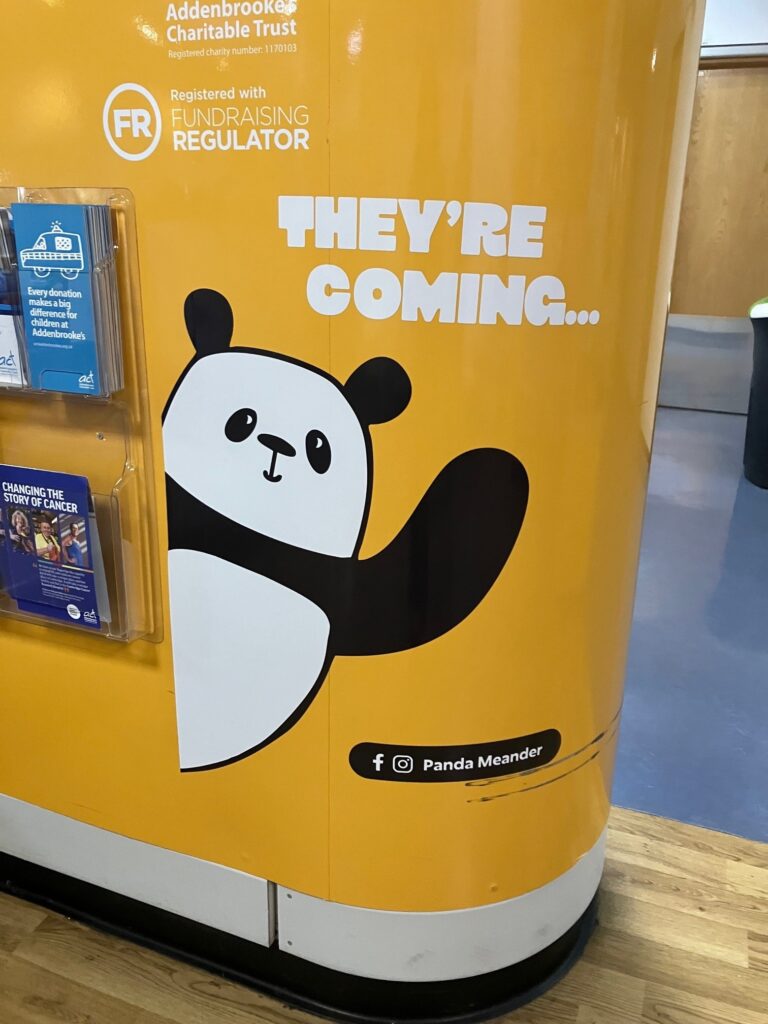
Already, friendly little black and white panda decals are springing up all over Cambridge – peeking out from shop windows across the City, popping up online, and in bus shelters and on digital billboards – as well as Addenbrooke’s.
Teasing the trail, the friendly animals – known for their playfulness in real life – will soon be popping up on the back of delivery lorries from the Welch Group too, ACT’s logistics partner for the trail.
The last time real pandas were in the UK was when Tian Tian and Yang Guang were loaned to Edinburgh Zoo, where they lived from 2011 until their return to China in 2023.
They’re the most popular cargo we’ve ever had on board, and I’m not sure any load has made more people smile.
But in an exciting turn of events, pandas returned to the UK with an overnight shipment of 29 giant pandas and 40 panda cubs delivered to Welch Group’s warehouse first thing on Thursday morning (8 October).
Matt Moore, Head of Commercial at Welch Group, joked that pandas were a ‘first’ for the company, saying: “We have moved parcels, pallets, plant machinery and planes, but 29 giant pandas is a first. They’re the most popular cargo we’ve ever had on board, and I’m not sure any load has made more people smile. Cambridge is counting on them, so we took extra care to get every one there safe, sound and with their paws firmly on the ground.”
Celebrating the delivery with a welcoming party from ACT, Georgia Pallett, ACT’s Wild in Art Project Manager, said: “It’s been a fantastic morning watching our pandas and cubs be unloaded safely into Welch Group’s warehouse ahead of being painted by artists, schools, and community groups later this month.”
“Never did I ever think in my professional life that I would be quality controlling a large panda, but I’m pleased that they’ve arrived in one piece from their journey from a factory in Poland. Today has been such a fun part of Panda Meander’s journey, and it’s made the team even more excited for what’s to come in Spring 2027! We’re incredibly grateful for all the logistics support that the Welch Group are kindly providing to the charity for this trail to help us raise funds to build the new Cambridge Children’s Hospital as well as supporting children’s services at Addenbrooke’s.”
Cambridge Children’s Hospital will be the first in the world to fully integrate the mental and physical health of young patients, alongside world-leading research. Building works are due to start next year, with construction set to complete by the end of 2030.
The hospital will be spread over five floors and include 108 inpatient beds, 16 paediatric intensive care beds, 42 day-case beds, seven operating theatres, imaging and diagnostics, a hospital school and a 5,000 square metre research institute.
Save the date
Panda Meander will hit the streets of Cambridge from 20 March to 30 May 2027. A total of 30 giant panda sculptures, including the original ‘hero’ sculpture decorated with striking black and white illustrations of famous Cambridge landmarks from artist Robin Mackney, will take visitors to some of the city’s most iconic buildings and places of interest. Also included in the trail will be mini pandas, known as cubs, decorated by schools and community groups.
The giant pandas will be auctioned off by ACT’s Lead Trail Partner, Cheffins, at a special farewell auction at the end of June 2027.
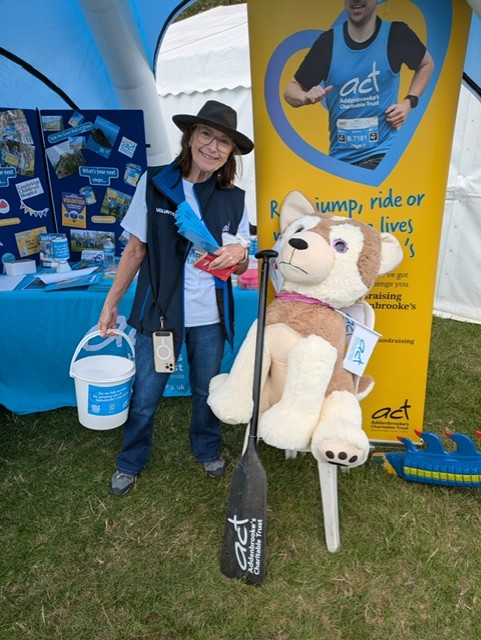
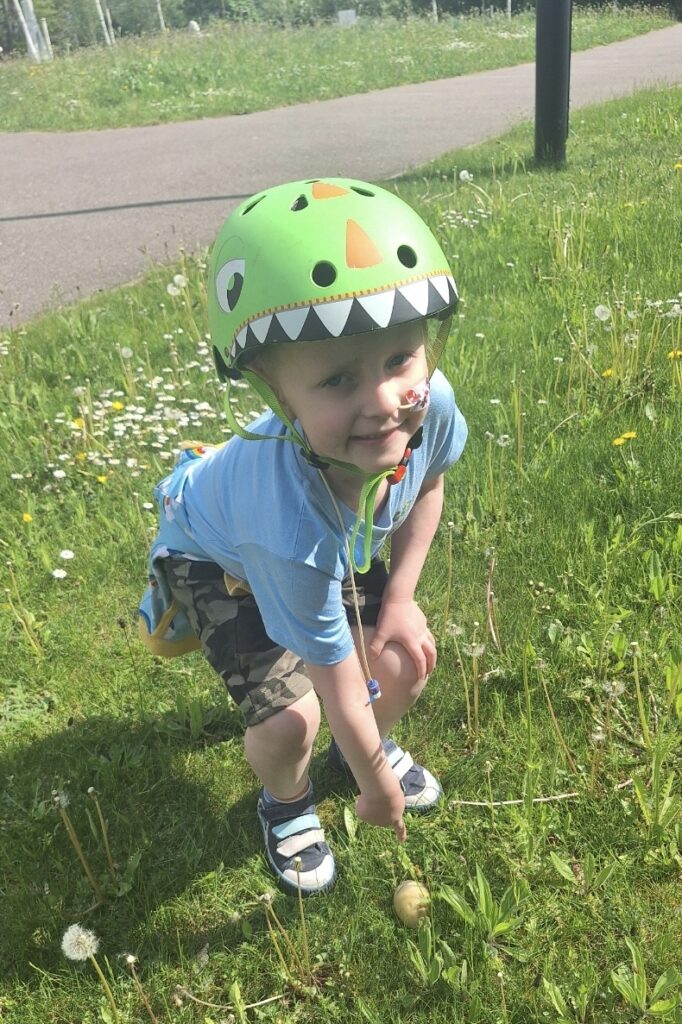
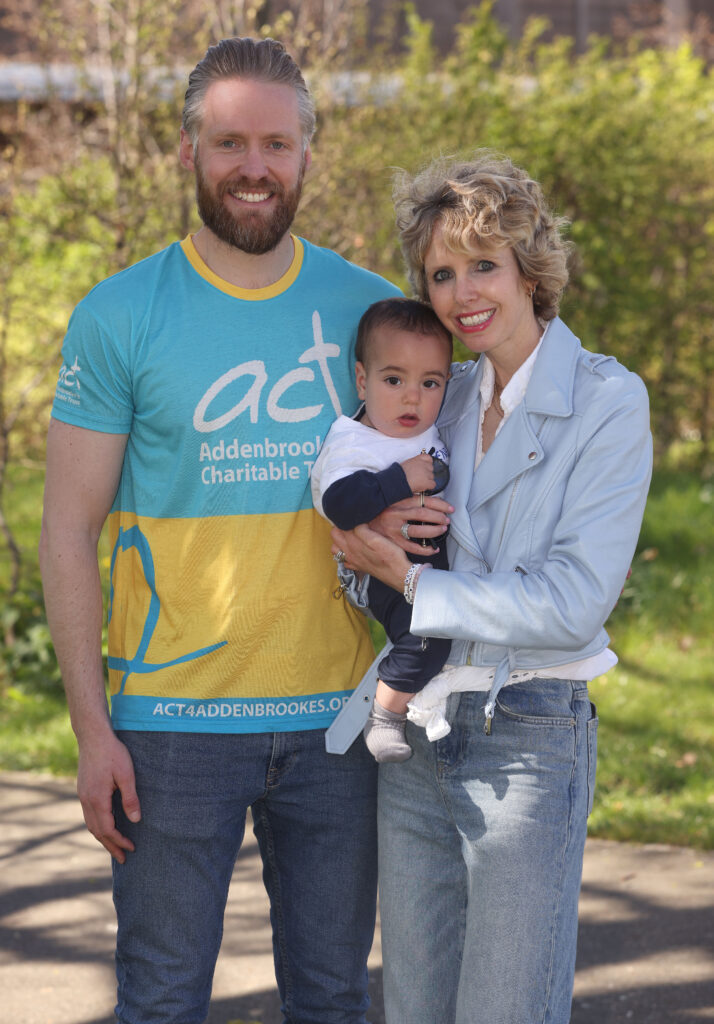
Sally Laight volunteering at a charity fundraiserAlfred Johnson with his ‘pet’ potatoJack Sibbons with twin Amy De Silva and his nephew Chester
A marathon runner inspired by his twin’s leukaemia battle, parents fundraising in memory of their 5-year-old son and a volunteer who supports her fellow oncology patients have all made the finals of this year’s National Charity Today Awards in recognition of their work with Addenbrooke’s Charitable Trust (ACT).
The official hospital charity for Addenbrooke’s and the Rosie, ACT has been shortlisted in five categories altogether: Fundraiser of the Year, Volunteer of the Year, PR Team of the Year, Charity of the Year and the People’s Choice Award. The charity funds cutting-edge equipment, specialist staff, extra comforts and pioneering research that helps change and save lives, above and beyond what the NHS can provide.
With the National Charity Today Awards widely recognised as the ‘Oscars’ of the UK charitable sector, to be shortlisted is, says ACT’s Director of Communications & Impact Paul White, a real achievement. “We have a small team and this is testament not only to their skills, but also their dedication; they are incredibly passionate about everything we fund, from the pioneering research projects to the children’s play specialists. More than that, it gives well-deserved recognition to our fundraisers and volunteers, without whom none of this work would be possible. I’d like to take this opportunity to thank them all: our staff and our supporters are brilliant and these shortlistings recognise that.”
In the running for the People’s Choice Award – decided by a public vote, open from now until October 12 – is Alfred’s Potato Day. Inspired by their 5-year-old son Alfred and the random ‘pet potato’ he found in hospital grounds during his 19-month treatment for neuroblastoma, parents Carla and Dave Johnson launched the fundraiser in his memory last November. Inviting supporters to place potatoes anywhere and everywhere – from skyscrapers to dance studios – the event invited donations from participants and captured imaginations the world over. Crediting ACT-funded services such as play and laughter specialists with helping Alfred ‘smile through it all’, right up until his death shortly before his 6th birthday, the Johnsons hope Potato Day, which takes place on November 21 this year, will become an annual fixture.
Our fundraisers are selfless with their time and generosity in helping to make a real difference to patients and families, often at very difficult moments in their own lives.
Shortlisted for Fundraiser of the Year is Colchester’s Jack Sibbons, who ran the 2026 London Marathon for twin sister Amy De Silva and baby nephew Chester, whose lives were both saved by Addenbrooke’s and the Rosie Hospitals. When Amy was diagnosed with leukaemia at 10 weeks pregnant, doctors told her she may not be able to keep her son, yet despite going through four rounds of chemo and recurrent sepsis, both mum and baby made it. Through sponsorship and events, Jack raised a staggering £43,000 in a matter of months for the charity.
Says Emily Wildigg, ACT’s Community Relationships Manager: “Our fundraisers are selfless with their time and generosity in helping to make a real difference to patients and families, often at very difficult moments in their own lives. It is a true privilege to celebrate their achievements and recognise their dedication. We’re incredibly proud of everything they do and grateful for the lasting impact they have on our hospitals.”
Cambridge’s Sally Laight is a finalist in the Volunteer of the Year category. Sally credits the NHS with saving her life ‘20 times over’ during a four-year battle with colon cancer, which saw her undergo multiple surgeries, chemotherapy and emergency care for septic shock. Based in Cambridge, she started volunteering to give something back to Addenbrooke’s, where she was treated, and within a year became ACT’s most prolific volunteer. Her voluntary work sees her support people waiting in Oncology, including fellow cancer patients.
Comments Volunteer Programme Lead Alex Innes: “In many ways, our volunteers help celebrate why Addenbrooke’s is such an important and valued hospital. They recognise the impact hospital staff have on our lives and those of our loved ones, and they want to show their support in a tangible way.”
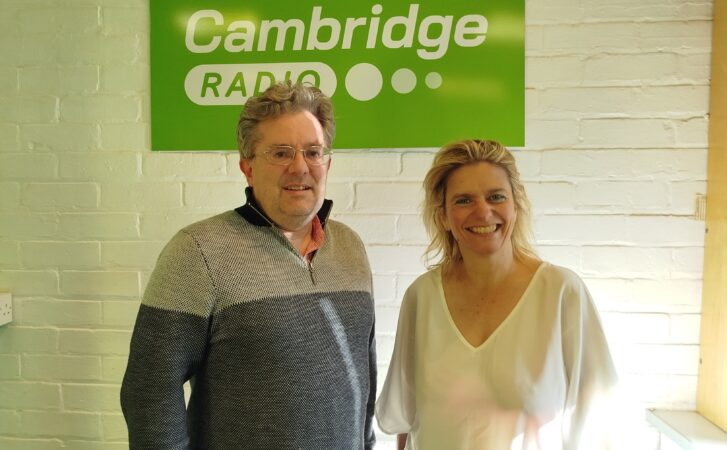
ACT’s staff and volunteers at workGavin Richards of Cambridge Radio with Danni Smith
Comprising just six staff members, ACT’s communications team has made the shortlist for PR Team of the Year. Between them, they operate multiple campaigns annually across all platforms, reaching millions – even billions – through print and digital press coverage alone. A focus on finding and sharing human-interest stories drives this engagement, with ACT’s Amazing People – the team’s own show on Cambridge Radio, developed and presented by PR and Communications Lead Danni Smith – a flagship.
Says Danni: “At the heart of everything we do is the special relationship we have, not just with hospital staff but patients and fundraisers too, who never cease to amaze us with their loyalty to Addenbrooke’s and our charity, as well as their dedication and willingness to share their personal experiences and journeys with us during some of the most difficult moments in their lives.
“The fact that they are still able to think of others while navigating their own challenges is what makes all of them so special. So really, this nomination is for them. For the hospital teams and researchers who work tirelessly throughout the year to push the boundaries of what is possible for patients, and for our fundraisers who so selflessly share their experiences to raise awareness and to help others. The charity wouldn’t be what it is today, nor achieve half of what it does, without them. So, thank you.”
Finally, ACT is in contention for Charity of the Year. ACT has been supporting innovation in patient care at Addenbrooke’s and the Rosie hospitals in Cambridge for three decades. In that time, its supporters have raised more than £150 million to fund everything from cancer research and a robotic surgeon to children’s laughter and play specialists. The charity is now supporting the development of two new hospitals, both set to revolutionise care in the East of England: Cambridge Children’s Hospital and Cambridge Cancer Research Hospital.
The winners of the 2026 National Charity Today Awards will be announced at a gala final on October 14. Created to celebrate “organisations and individuals who demonstrate exceptional impact, innovation and dedication to making communities better”, the awards are sponsored by Sinclair Method UK and feature a rigorous judging process led by industry experts and sector leaders.
A portable backpack for young cancer patients to allow them to spend less time in hospital and more time at home with family and pioneering infrared scanners that are improving the five-year survival rates in cancer patients by up to 28% are just some of the many projects being funded by supporters of Addenbrooke’s Charitable Trust (ACT).
Last night’s annual John Addenbrooke Lecture, following the theme Strategy for Life-Changing Care, brought medical experts, clinical staff and ACT donors and supporters together under one roof to hear how funding from the charity is having a huge impact on patient care and outcomes.
As the official hospital charity for Addenbrooke’s and the Rosie, ACT funds cutting-edge equipment, specialist staff, extra comforts and vital research above and beyond what the NHS can provide alone.
Last night’s lecture, held at AstraZeneca’s eye-catching Disc building on the Cambridge Biomedical Campus, began with a welcome from ACT’s Chief Executive Shelly Thake.
Addressing the special relationship between ACT and the hospitals was Nicola Ayton, Chief Executive of Cambridge University Hospitals NHS Foundation Trust (CUH) which governs Addenbrooke’s and the Rosie as well as Chief Nurse Lorraine Szeremeta.
Nicola Ayeton, Chief Executive, Cambridge University HospitalsLorraine Szeremeta, Chief Nurse, Cambridge University Hospitals
Leading experts on the night included Consultant Paediatric Oncologist Jonathan Abrams, known within his field for pioneering efforts in the UK and around the world to introduce a treatment for young cancer patients which can help protect their hearing whilst receiving cancer treatment.
Jonathan Abrams, Consultant Paediatric Oncologist
Jonathan, who is based at Addenbrooke’s, spoke about plans to introduce a special backpack for young cancer patients which would allow them to have part of their treatment at home.
The backpack – which if introduced at Addenbrooke’s would be a first for the East of England – is to feature as ACT’s Christmas Campaign this year – with supporters of the charity being asked to help fund a trial of the alternative home treatment which will mean young cancer patients will be able to spend more time with loved ones over Christmas and throughout the year.
Currently children receiving chemotherapy at Addenbrooke’s are admitted as inpatients. Following their treatment, patients need to stay in overnight to have a fluid infusion to wash out the toxins in their system so that the chemotherapy can be repeated the following day.
Whilst the chemotherapy has to be administered in a clinical setting, the fluid infusion does not. By providing families with a special CADD backpack – effectively a fluid pump – and some training, families can return home each day and complete the toxin flush at home.
Isabelle and her mum
Guests at the event heard from Isabelle, a young cancer patient with osteosarcoma. Isabelle and her mum talked passionately about what it would have meant for them had they been able to benefit from this new ambulatory service, and what it would mean for future patients to be able to spend as many as 70 extra nights at home in their own beds, rather than in hospital.
Addenbrooke’s award winning Histopathology department, which looks at the study and examination of diseased tissue, was also represented, with a presentation from Jim Neal and Refaie Rassool.
Jim Neal & Refaie Rassool, Advanced Practitioners in Histopathology
Jim, an Advanced Practitioner in breast dissection and Refaie, an Advanced Practitioner and reporting scientist in gastrointestinal pathology, spoke about the huge impact that two lymph node scanners, funded by supporters of ACT, were having on cancer patients – not just in Addenbrooke’s but across the country – with tissue samples sent to the department from across the UK.
Lymph nodes are used to help diagnose cancer and to determine the best treatment plan for patients. Prior to having the two scanners, practitioners would look for lymph nodes manually. However, lymph nodes are traditionally hard to find and are often lost within fat and tissue, making it difficult for practitioners to collect sufficient numbers for accurate diagnosis.
However, using an infrared light, the scanners locate the lymph nodes instantly – saving the need for further biopsies if the first yield is insufficient.
This more thorough examination of lymph nodes leads to more accurate cancer staging and provides clinicians with clearer diagnostic information to help guide decisions on patient treatment.
The impact of the scanners – used across Breast, Head and Neck, and Gastrointestinal cancer services – is huge: improving the five-year survival rates in cancer patients by up to 28%.
Histopathology received national recognition at this year’s Institute of Biomedical Science Awards (IBMS) earlier this year – winning the Best Use of Innovation category, contributing to the department being named Biomedical Science Champion for its impact on patient care.
Paul White, Director of Communications and Impact at ACT, said supporters of the charity are helping CUH deliver its key strategies – allowing the trust to harness research and improve patient outcomes and giving patients access to earlier, more personal and more convenient support in their communities, aided by digital tools and stronger partnerships.
“Last night’s event was an outstanding demonstration of how, together with supporters, researchers and clinicians, Addenbrooke’s Charitable Trust is pushing what’s possible for patients and staff at our hospitals in so many ways,” he said.
“From transforming the way in which we diagnose cancers using pioneering infrared scanners, reducing anxiety and creating calm by transforming the spaces where patients and staff spend time, to helping children spend more time at home with their families thanks to a simple backpack. All of the projects guests heard about at the event share two things in common.
“Firstly, they make a significant and lasting impact on the care and experience of patients. Secondly, they are devised by staff in the hospital who have a relentless drive to push what’s possible for their patients, and to make sure that every experience they have is the best it can be. We’re proud that together with our supporters we’re able to make these ideas a reality. The evening left us in no doubt of the difference the charity and its supporters can make in helping the hospital to do more than it can achieve alone.”
Claire Billing, ACT’s Director of Fundraising, said: “Every breakthrough we celebrate has been made possible because of people who believe in continuing to push what we are able to do for patients and staff, above and beyond what the NHS is able to do alone.
“As a charity, we are privileged to see first-hand how these investments are transforming lives. This evening is our chance to thank everyone who makes that possible and to show the real-world impact of their support. Together, they are helping to turn pioneering ideas into better care, better outcomes, and brighter futures for patients and their loved ones.”
To help us to continue to make a difference, donate.
Sarah Bush from Cheffins gifting the panda cub to Nadine Gooding-Hébert, Headteacher at Pilgrim Pathways
A donation of a baby panda cub from Cambridge’s first Wild in Art sculpture trail to feature pandas will help keep children undergoing treatment in hospital stay connected to the outside world, says the head of the school which has received the gift.
Addenbrooke Charitable Trust’s (ACT) Panda Meander trail will raise funds for children’s services at Addenbrooke’s and the Rosie, including helping to build the new Cambridge Children’s Hospital.
ACT is the official charity for Addenbrooke’s and the Rosie and funds cutting-edge equipment, specialist staff, extra comforts and vital research above and beyond what the NHS is able to provide and is also raising money to help build both the Cambridge Cancer Research Hospital and the Cambridge Children’s Hospital.
Sarah Bush from Cheffins with Pilgrim Pathways student Ava
Set to hit the streets of Cambridge in the Spring, the trail will run from March 20th through to May 30th, taking in the whole of Easter and both Bank Holiday Mondays.
Thirty giant panda sculptures will take visitors along a route that features some of Cambridge’s most iconic landmarks. ACT’s media partner for Panda Meander, Cambridge Independent, will next year publish a special pull-out map and guide which will feature the route and include stories and information about the panda designs.
In addition to the giant pandas, there will also be some 30 plus mini panda sculptures – ‘cubs’ as they are being referred to – which will also feature as part of the trail. All of these will be decorated by local schools and community groups as part of ACT’s Learning and Community Programme, sponsored by Prologis, making the trail accessible to all. All the cubs will be homed in indoor locations including the Grand Arcade and the Museum of Zoology.
One of these cubs has been donated to the Pilgrim Pathways school, where teachers work with young patients in Addenbrooke’s to ensure they don’t fall behind with schoolwork during their treatment.
“Being held in mind through the gift from Cheffins and given the opportunity to take part in an art initiative helps our children and young people to stay connected to their wider life and to connect with the parts of their identities which are not defined by illness.”
Panda Meander is ACT’s first Wild in Art sculpture trail – bringing an array of individually-designed pandas to Cambridge, decorated by artists from across Cambridge and the UK.
ACT’s Lead Trail Partner, Cheffins, this week donated a panda cub to Pilgrim Pathways School, reinforcing their ongoing support for children’s services at Addenbrooke’s and the new Cambridge Children’s Hospital, following their £212,000 donation to the charity last year which will see a brand-new, permanent playroom built at the new children’s hospital, leaving a lasting legacy for the region in what was the company’s 200th anniversary year.
Pilgrim Pathways School provides support to school-aged children aged between 4 and 18 with complex physical or mental health needs who are undergoing treatment in hospital, as well as at other medical facilities. Their teachers also work with home-based students, aged 12-18, who are unable to attend school due to complex mental health conditions.
Headteacher Nadine Gooding-Hébert said: “At Addenbrooke’s we work with oncology, neurorehabilitation (road traffic accidents, stroke recovery, serious falls), children who have long-term gastro problems, cystic fibrosis and sickle cell to name a few. In mental health we see a lot of students with high levels of anxiety, eating disorders, depression, OCD, self-harm and suicidal ideation. Many of our students have a high level of SEND and many have experienced significant trauma.”
Welcoming the donation of the panda cub from Cheffins, Nadine said it meant a lot for her students to be remembered during such a challenging and difficult time in their lives.
“All of them face significant barriers to education and are at risk of becoming completely disengaged with education without specialist educational support.”
Headteacher Nadine Gooding-Hébert from Pilgrim Pathways, Sarah Bush from Cheffins, and Ava
Explaining why the donation means so much to the school, Nadine said: “Our children and young people often miss out on the more normative aspects of school life, such as enrichment or whole school events, including events such as coming together towards a common art project like decorating the Panda Cub.
“Being held in mind through the gift from Cheffins and given the opportunity to take part in an art initiative helps our children and young people to stay connected to their wider life and to connect with the parts of their identities which are not defined by illness.”
Nadine said the school offers art and music to pupils because it recognises that creative engagement and self-expression is key to building a child’s identity and confidence.
She said the school is working on a plan to involve as many of their young people across all its physical and mental health sites, including outreach.
“We will involve our young people in the design of the panda and will ask them to contribute something which is meaningful to them and their life journey, probably a collection of vignettes around a theme,” she said, adding that once the trail is finished the school will rotate it around its different sites, “providing the panda has enough space to live happily, so that our children and young people can enjoy and interact with it.”
Pilgrim Pathways student Ava cuddling Emily the panda cub
Eight-year-old student, Ava, who lives in St Ives, had a chance to cuddle the panda cub – calling it ‘Emily’ and saying she would decorate it with lots of glitter if it was her design.
Ava describes herself as a ‘singer in the making’ and wants to be a make-up artist and singer when she grows up. She has been a pupil at Pilgrim Pathways School at Addenbrooke’s for several months now, since being diagnosed with leukaemia in November last year.
Mum Jess said: “When it all started it was very fast paced because they had to put her feeding tube in, her Hickman line, they put all the drugs in… She lost her hair within three weeks. She put weight on because of the steroids she was on and lost her personality. Everyone said ‘she will come back’ but you never believe it, but they see it all the time here. She’s fully back now, full on sass!”
Ava’s symptoms began last year with a limp that wouldn’t go away but it was a blood test in hospital that revealed she had leukaemia. Now in remission, Ava receives maintenance treatment for the leukaemia and is expected to ring the bell, to say she is cancer-free, in January 2028 – with Jess thanking hospital staff, family and friends for all their support.
Handing their donated panda cub to Ava and Nadine, Sarah Bush, Head of Residential, at Cheffins said: “As Lead Trail Partner for Panda Meander, we wanted to find another way to support the project and the children and young people at the heart of it. Donating a panda cub to the hospital school felt like a wonderful opportunity to help bring creativity, enjoyment and a sense of connection to children spending time in hospital.”
“We know that many children receiving treatment in hospital are facing one of the most challenging periods of their lives. While hospital staff work tirelessly to provide the very best care, opportunities to learn, create and express themselves can make a real difference to a child’s experience, and memories, of their time in hospital. We hope our panda will inspire imagination, bring moments of joy and help pupils leave their own mark on a project that will be enjoyed by thousands of people across Cambridge.”
“Children’s services and the new Cambridge Children’s Hospital is a cause that is very close to our hearts. We have already donated over £200,000 towards building a playroom at the new children’s hospital, so our gift of a panda cub felt like a natural extension of that. We hope our cub will be especially meaningful for all of the young patients who attend the hospital school as pupils.”
Sophie Thomas, Cub Club Leader, said: “We are hugely grateful to Cheffins and we’re so pleased young patients at Addenbrooke’s will have the chance to create their own special cub and be part of this exciting city-wide event.”
Nadine Gooding-Hébert from Pilgrim Pathways, Sarah Bush from Cheffins, and Sophie Thomas, ACT’s Community Fundraising Lead
“These generous corporate donations are helping schools and community groups be part of something truly special and I’m incredibly excited to see how our schools and community groups will bring their cubs to life, I am sure we shall see plenty of imagination and creativity!”
Georgia Pallett, ACT’s Wild in Art Project Manager, said: “We’re absolutely delighted that our Lead Trail Partner Cheffins has kindly decided to gift a panda cub to Pilgrim Pathways School so that they’re able to paint a smaller sculpture that will feature alongside other wonderful designs on our Spring 2027 public art trail, Panda Meander.”
“Our Cub Club, which is Panda Meander’s Schools and Community Programme, is such an important part of the trail, giving schools and groups the opportunity to be involved in Wild in Art’s and Addenbrooke’s Charity’s very first panda trail, sparking creativity in our younger generation. It’s really important that Panda Meander is inclusive to all – we are working with both mainstream and SEND organisations as part of the Cub Club to bring imagination and colour to our local community, and with thanks to Cheffins’ kind gift to the hospital school, into the lives of children and families connected to our hospitals too.”
Cambridge Children’s Hospital
The East of England is the only region in the UK without a specialist children’s hospital. This unique new hospital, to be built on the Cambridge Biomedical Campus, will be the first in the world to fully integrate the mental and physical health of young patients, alongside world-leading research. Construction is due to start next year, with building works set to complete by the end of 2030.
Cambridge Children’s Hospital will be spread over five floors and include 108 inpatient beds, 16 paediatric intensive care beds, 42 day-case beds, seven operating theatres, imaging and diagnostics, a hospital school and a 5,000 square metre research institute.
Panda Meander currently has over 33 Cub Club members with a mix of schools and community groups including nurseries, primary schools, secondary schools – as well as Cambridge City Football Club.
Schools can design and paint their cubs exactly as they would like – with the one restriction of no 3D items in case they get damaged during transportation or during the trail.
ACT will host a Cub Club Inspiration Workshop on Thursday 15th October at Cambridge City Football Club. With a representative from each school and community group attending, the workshop will be an afternoon of ideas, creativity and practical advice on how to paint the cubs.
There is still time for schools to sign up – but they need to be quick! With just one week to go until sign up closes, schools and community groups can find out more by visiting the Panda Meander website.
This year’s Cambridge Dragon Boat Festival saw a day of firsts, a day of celebrations and a day of coming together to remember why everyone involved was taking part.
At what marked the festival’s 20th year, the 43 teams that took part smashed the £50,000 target, currently £52,500 and rising – with money raised for Addenbrooke’s Charitable Trust (ACT) going towards cancer services, helping to build the pioneering new Cambridge Cancer Research Hospital.
Last year, the hospital charity set an ambitious target of £50,000 – after hitting £40,000 in 2025. But in a day of surprises and lots of ‘firsts’, ACT and all their supporters surpassed their target, with money still coming in.
Buffaload Logistics became the team to raise the highest amount for the Cambridge Dragon Boat Festival ever, following a surprise donation of £5,000 from one of their clients; with another ‘first’ marking the £5,000 they received as the highest single donation made to a team ever, for the event.
“This really does go to show that together we will change the story of cancer! When the Cambridge Cancer Research Hospital is built, every one of our supporters can say, ‘I was part of this historic moment’. How awe inspiring is that?”
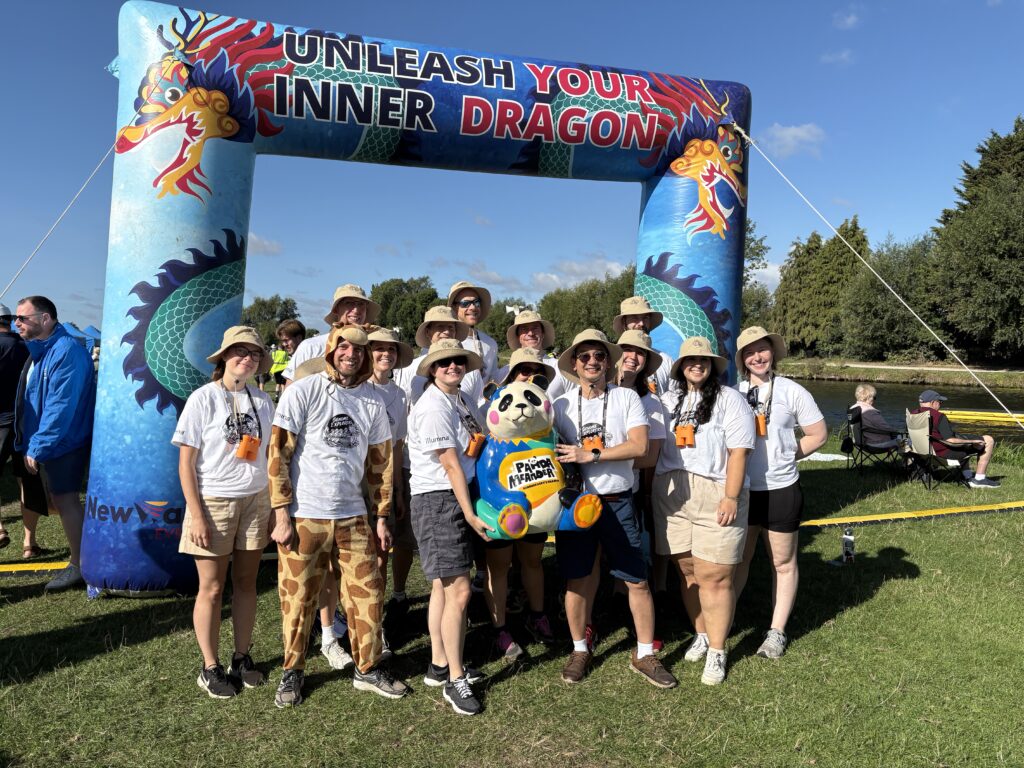
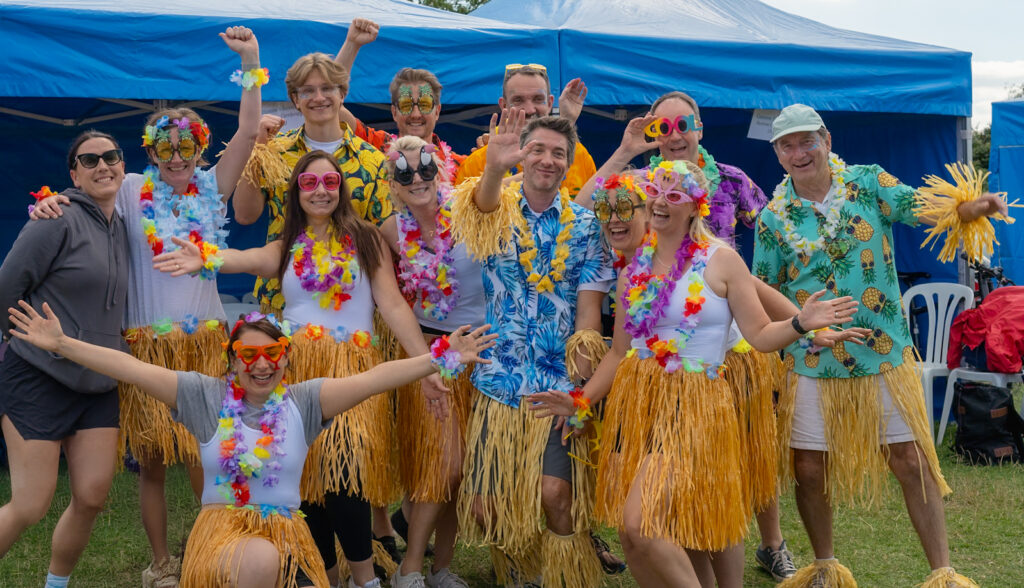
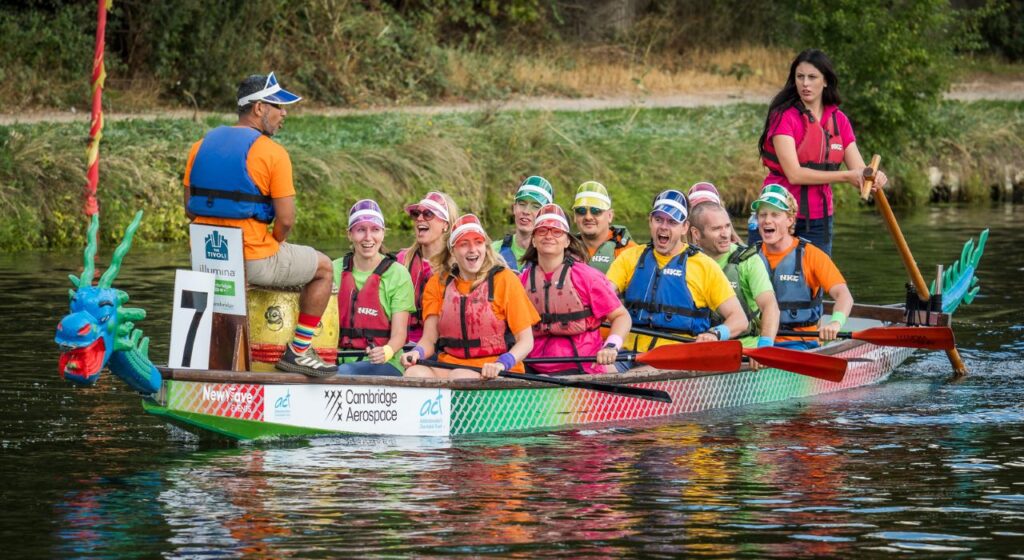
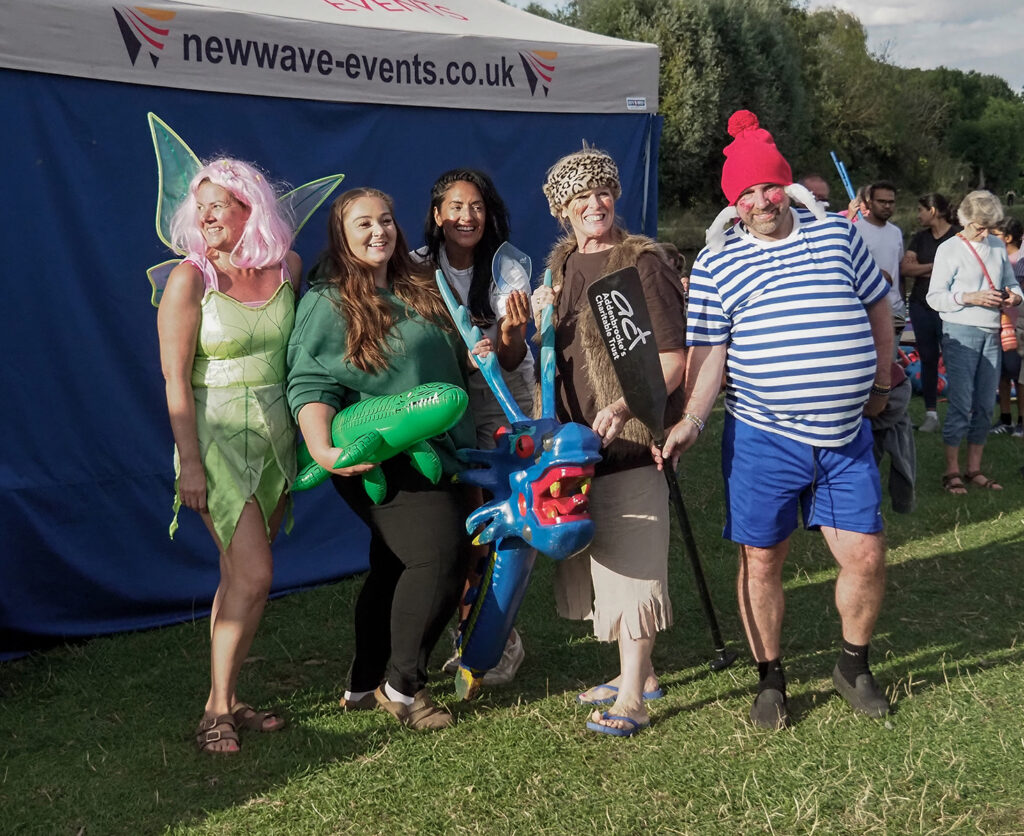
Headline sponsor Illumina returned to sponsor the event for the third year, entering three teams, and throwing themselves into the spirit with every rower in fancy dress.
Illumina Team: Genome ExplorersIllumina Team: Sequencing the SeaIllumina Team: IllumiNation
The Cambridge Dragon Boat Festival has become known as a special community event, bringing teams together to raise money for a groundbreaking new cancer hospital in Cambridge which is set to change the story of cancer – and in the true spirit of community and giving, the event reached its target after a very special, last-minute donation.
With only two hours to go before the event finished, organisers NewWave Events made an announcement on the public address system that ACT was only £450 short of hitting the £50,000 target – only to be told minutes later that the husband of a member of the Rosie maternity hospital had donated the amount himself, taking the target over the finish line.
Em Robson, Corporate Account Lead at ACT, who led the event for the first time, said she was “over the moon” to have smashed the £50,000 target.
“We are living in tough times, the cost of living is testing many of us and yet, together we have proven that collaboration is key to success. Every team, supporter, volunteer, staff, friend, and family member who donated the gift of time, to be with us on the day, as well as dug deep to raise the most we have ever raised in the history of ACT participating in the Dragon Boat Festival has made an impact. This really does go to show that together we will change the story of cancer! When the Cambridge Cancer Research Hospital is built, every one of our supporters can say, ‘I was part of this historic moment’. How awe inspiring is that?”
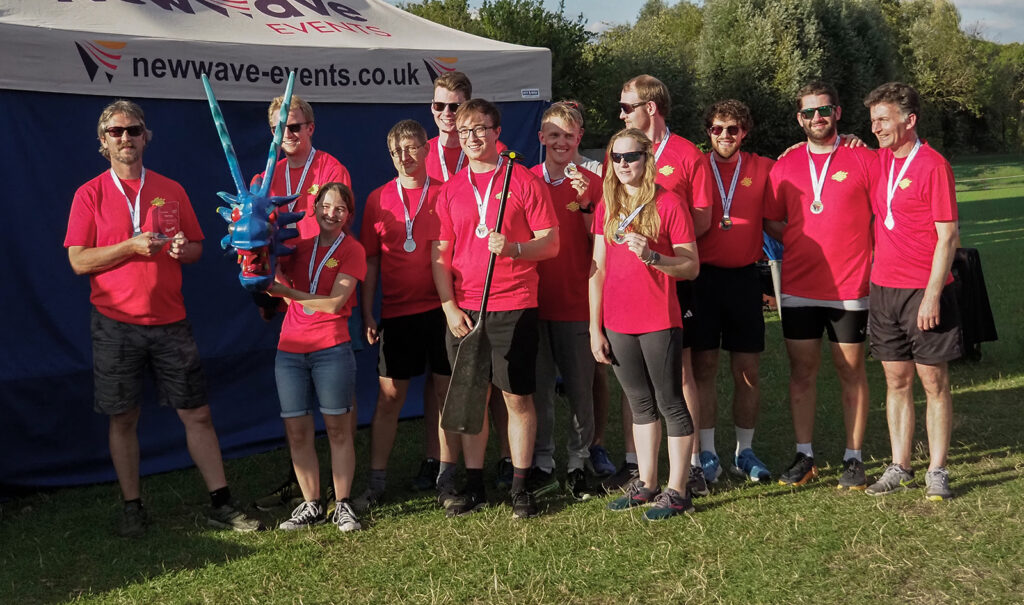
Cambridge Cancer Research Hospital team on the riverCambridge Cancer Research Hospital
Dr Hugo Ford, Clinical Lead for Cambridge Cancer Research Hospital and Director of Cancer Services at Cambridge University Hospitals NHS Foundation Trust, said: “Our sincere thanks go to everyone who supported this fantastic event for Cambridge Cancer Research Hospital. The funds raised will help create a groundbreaking new hospital that will transform cancer care by enabling earlier diagnosis, more precise treatments, and better outcomes for patients.”
Mark Robinson, VP & General Manager, UK & Ireland and North Europe, Illumina, said: “Illumina is proud to sponsor the Cambridge Dragon Boat Festival for a third year. It’s a fun-filled event that brings together organisations from across the region for a great day of competition, teamwork and fundraising.”
“As a company committed to advancing health through genomics, we’re particularly pleased to see the community uniting to support Cambridge Cancer Research Hospital and its vision to transform cancer care through innovation and research.”
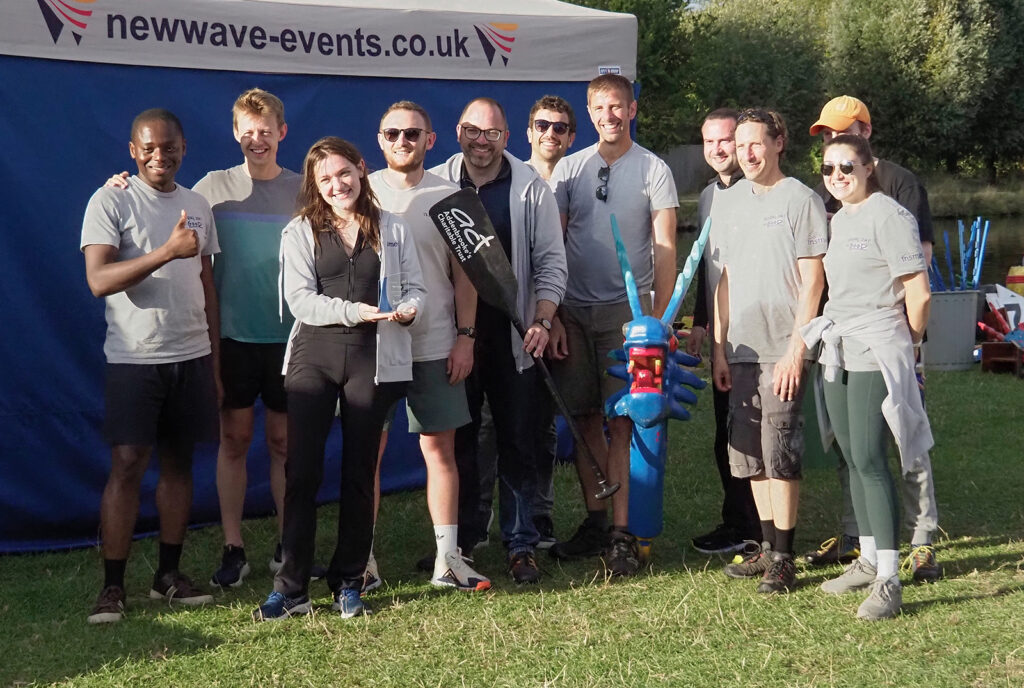
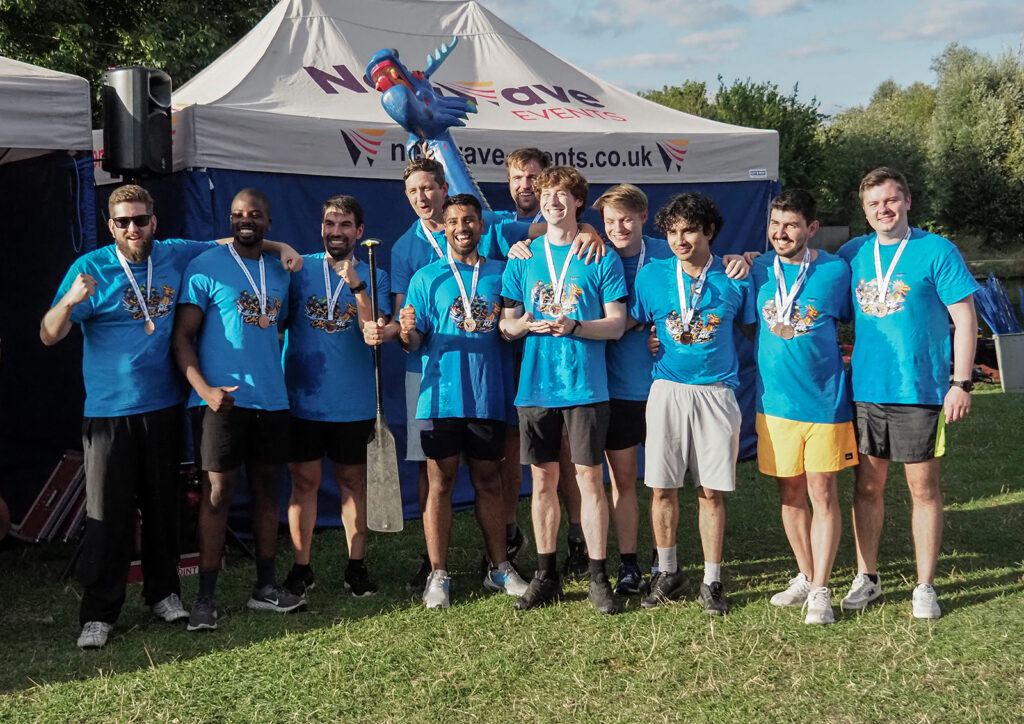
Winners: Best fancy dress, the Rosie hospitalWinners: Best Mixed Team, TWI LtdWinners: 4th place, Insmed Innovation UK LtdWinners: 3rd place, RingWinners: 2nd place, TTP Plc
Lucy Morton, Executive Director at NewWave Events, said: “Wow, what a turn out for the 20th Cambridge Dragon Boat Festival! As the event organisers, we’re thrilled to see the event continuing to grow year on year, and to see teams enjoying themselves and genuinely bonding and working together is so rewarding for us. We’re so proud to have ACT as our long-standing charity partners and the final fundraising total is just the cherry on top of another fantastic day! Thank you to all teams and supporters for making this event what it is and of course to our sponsor, Illumina, and media partners Cambridge Radio and Cambridge Independent for their continued support.”
Money from the event will go towards cancer services and building the new Cambridge Cancer Research Hospital. The hospital will unite world-class clinical expertise with cutting-edge research to transform the way we prevent, diagnose and treat cancer. Collaboration across Cambridge University Hospitals, the University of Cambridge, and partner organisations is creating an extraordinary community unmatched in scale or calibre in the UK. This will speed discoveries into practice, deliver life-saving treatment sooner, and fuel scientific and economic growth across the UK.
Speaking at the event on Saturday, John Kerrigan, CEO of Buffaload Logistics, said he was delighted that his staff had raised the highest amount ever for a team competing in the Cambridge Dragon Boat Festival, at over £10,000, with donations still coming in.
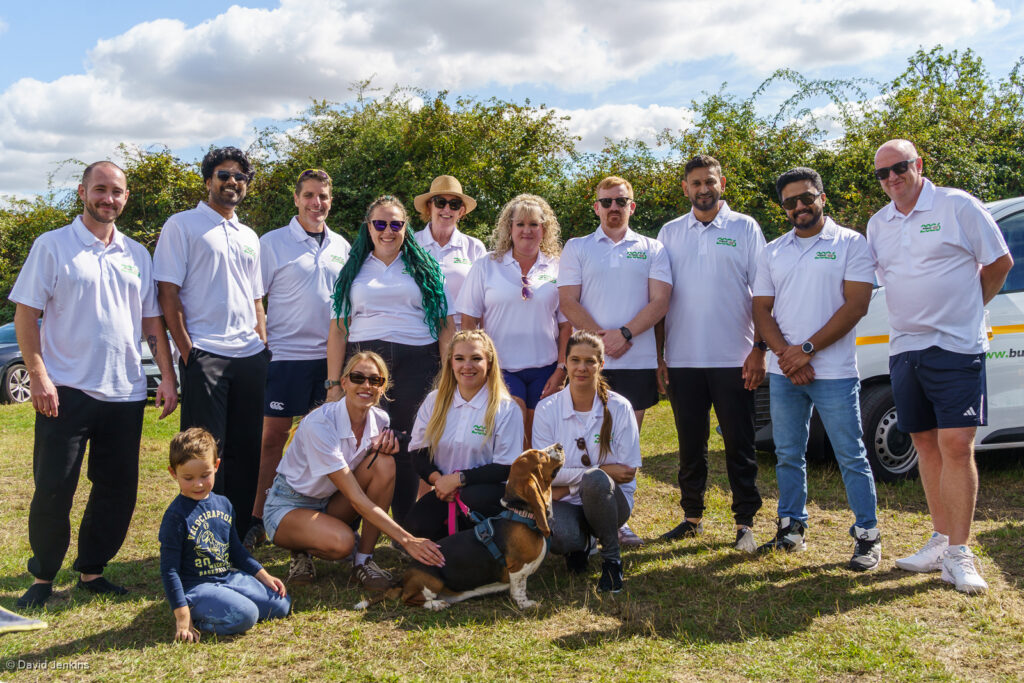
The BuffaRowers, from Buffaload Logistics, this year’s biggest fundraisers
“It’s absolutely amazing. It’s been a really good, combined effort from colleagues, customers and suppliers. We set out with a target of £2,500 and to get as much as we could but to know that we have raised the most ever for a team is a really good feeling for such a good cause.”
Their largest donation came from one of their clients, Gray & Adams, who donated £5,000 – the largest single donation to a team competing in the Cambridge Dragon Boat Festival ever.
Thanking them for their generosity, John said: “We were all in shock when it came through. We actually had to ring and make sure they hadn’t put an extra nought in there by mistake. That it was intentional, we were absolutely delighted.”
Pledging to enter three teams next year, and set themselves a fundraising target of £20,000, John stressed that it was the efforts of everyone involved that helped the firm hit its impressive target.
“We did it with good internal engagement, social media and LinkedIn too, as that is where lots of our suppliers and customers are. And it was lots and lots of individuals internally, lots of ten pounds, five pounds, twenty pounds. It’s nice we had some large donations but actually the amount of people who put what they could afford in was equally important to us and we are delighted.”
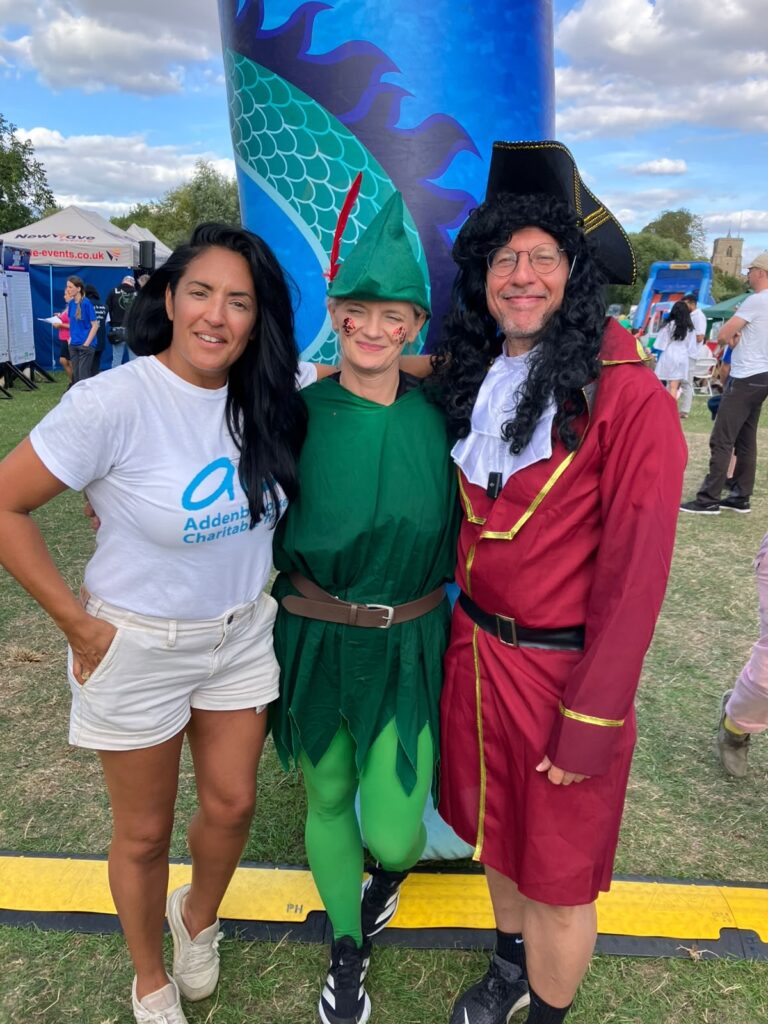
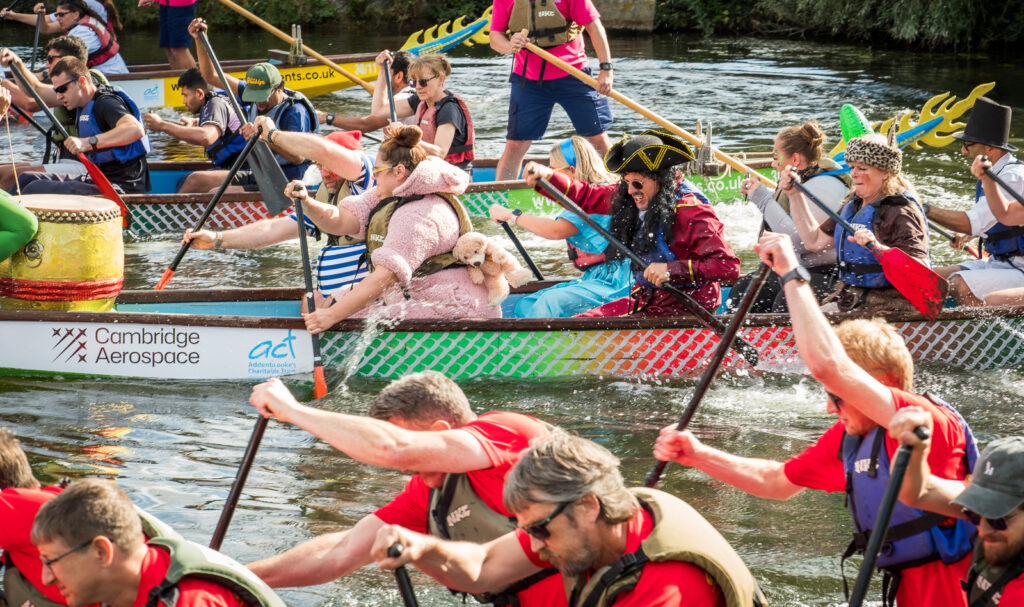
Stuart Racher, who helped meet our £50,000 goal with that last £450 donationStuart rowing with the Rosie team
A special mention also goes to Stuart Racher, aka Captain Hook (part of the Never Never Land team rowing for the Rosie hospital). Stuart, whose wife Joanna works as a maternity support worker at the Rosie, heard the announcement on the public address system that the event was £450 short of its £50,000 target and decided to donate the amount himself, saying: “I did it because it’s difficult times and if you can, you should.”
“It’s nice we had some large donations but actually the amount of people who put what they could afford in was equally important to us and we are delighted.” – John Kerrigan, CEO, Buffaload Logistics
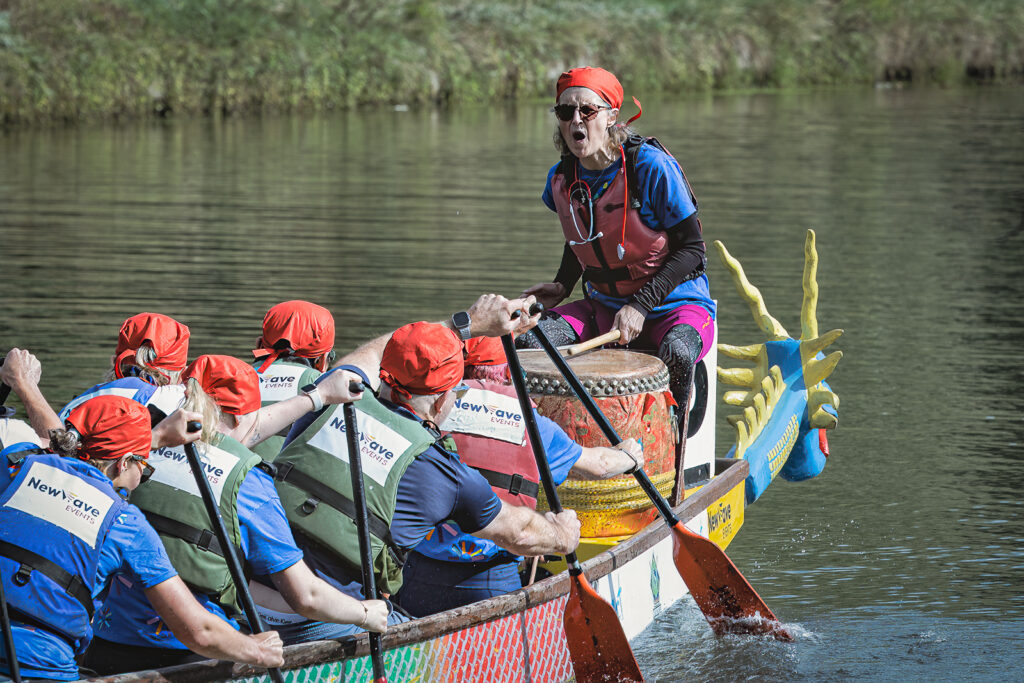
Saturday’s event pulled in one of the biggest crowds yet, there to watch the 43 teams competing, as they raced up a 200-metre stretch of the river at Fen Ditton. The Cambridge Cancer Research Hospital project team was one of the teams that took to the water, entering a boat and joining teams from across the region in raising funds for the hospital they are helping to deliver.
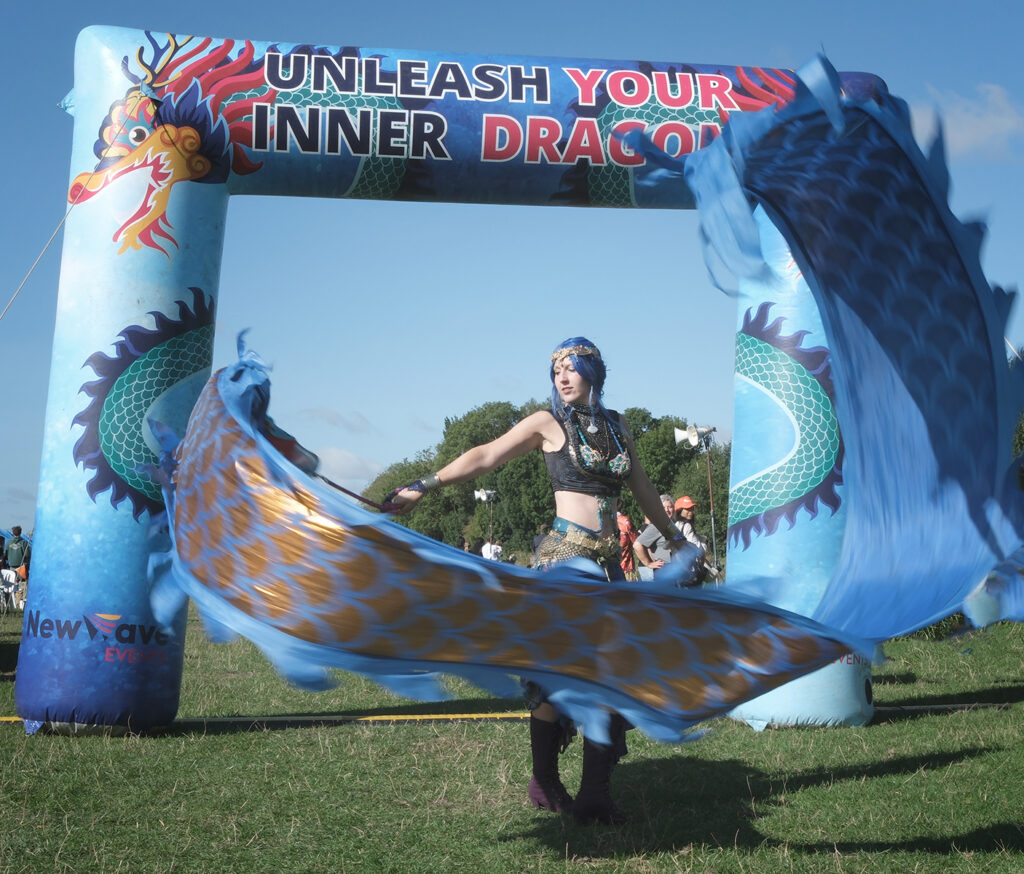
Lion dance by the Cambridge Chinese communityFun science activities with IlluminaDragon ribbon dancer
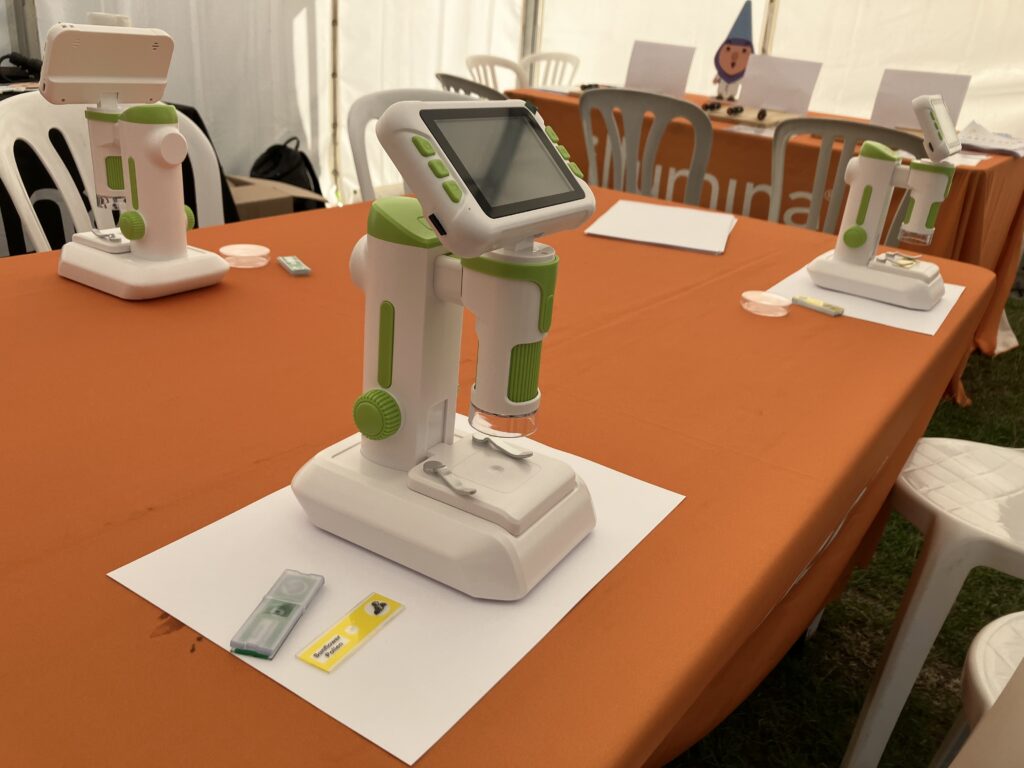
As well as the races, bankside entertainment included lion dances from the Cambridge Chinese community, and family-friendly science activities provided by Illumina such as strawberry DNA extraction, nature microscopy, experimenting with coloured light mixing and making dragon paper chains. There were games and face painting at the ACT stand, along with a prize raffle, with live media coverage and interviews on the day from Cambridge Radio, with That’s TV and Cambridge Independent reporting on the day also.
Ric Da Silva, co-founder and CTO of the Dragon Boat Festival champion winners, Flok Health Ltd, described the festival as “a fantastic day” adding: “We are super chuffed for all the money raised for Addenbrooke’s.”
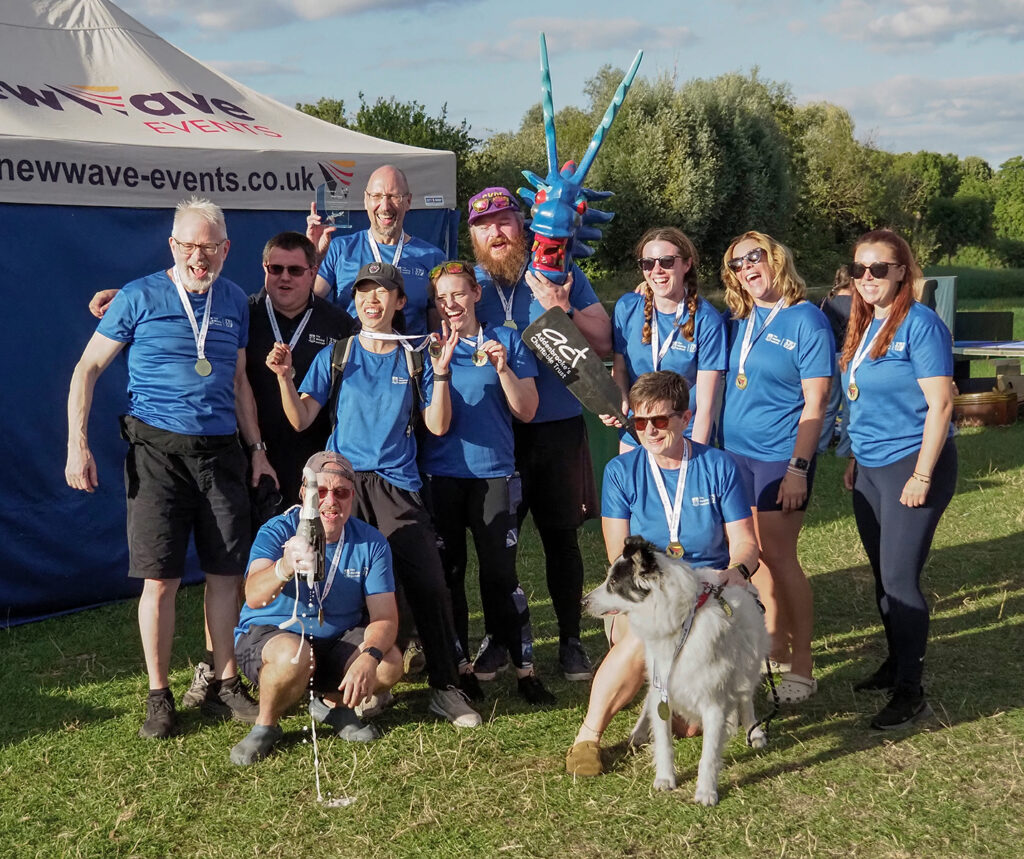
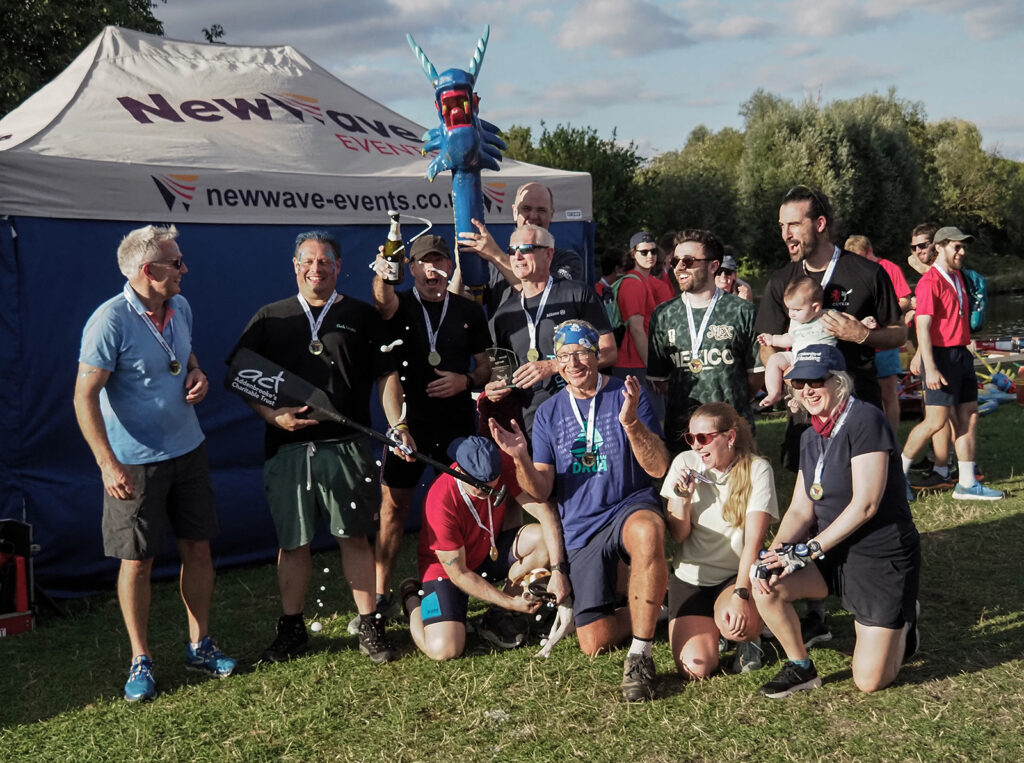
Our 2026 Dragon Boat Festival winners, Flok Health Ltd
Movingly, one of their own paddlers took part following treatment at Addenbrooke’s for bowel cancer earlier in the year, using the festival as a marker to get back to full fitness so he could participate and raise money for cancer care at Addenbrooke’s, with ACT’s Em saying: “A remarkable story of triumph, courage, strength and hope that I will hold onto as I support friends during times of diagnoses and treatment.”
3rd place – Ring, who’ve been competing for four years
Long-standing competitors, Ring, spoke about why they have been competing for four years. Two of the team members ACT spoke to on the day talked about having family members who’d had cancer. Zhanna’s grandmother had breast cancer and Jon sadly lost his dad from cancer four years ago, saying: “Cancer is there and can happen in every single family and the Dragon Boat Festival is a really good opportunity to raise funds for the cancer hospital.”
TWI Ltd have been competing since 2015 so have competed in a total of nine races, outside of COVID. Guy Hughes, who was in a boat with his colleague Pedro, said the firm competes every year, despite the weather.
“It’s a great team building exercise. We all have great fun and the amazing thing is everyone who comes wants to come back. Most of the people here today from our team are people who have returned multiple times and have fallen in love with the event like I have and Pedro has.”
Winning Teams
Festival Champions
This year’s Festival Champions were Flok Health Ltd with a winning time of 58.95.
Runner-up went to The Temporary Paddlers – TTP Plc – with a time of 59.70
3rd place – Cache me if you can – Ring – with 60.48
4th place – Insmed Innovation UK Ltd – with 61.10
Best Dressed
Highly Commended – All 3 Illumina teams (Genome Explorers, IllumiNation and Sequencing The Sea) and Paddlesaurus Rex from VNC Automotive.
Winners – Never Never Land team from the Rosie Hospital, dressed as Peter Pan and clan, with costumes made by Senior midwife Annie West.
Charity Champions
Commended – Arm (3 teams) for one of the highest raised bake sales.
Charity Winners – The BuffaRowers from Buffaload Logistics Ltd who raised over £10,500
** Thank you to The Tivoli for donating the special mini golf, prosecco and pizzas experience for the top fundraisers!
Mixed Competition
3rd place – We Thought this was a Hackathon – Arm
Runners up – The Savillians – Savills
Winners – Admiral Hughes – TWI Ltd
Special thanks to…
Special thanks go to all our amazing volunteers on the daywho helped on the ACT stand; to Cambridge Camera Club, there with our digital team on the day, capturing photos live; and to our media partners, Cambridge Radio and Cambridge Independent.
Thank you also goes to all the businesses that donated prizes to the raffle, which this year raised over £1,596 in ticket sales, including donations for face painting. Raffle prizes included a £150 voucher from Sticks’n’Sushi; a 50-piece fruit box from The Cambridge Fruit Company; a Ring doorbell from Amazon; afternoon tea vouchers from The Fellows House; Barracudas Activity Day Camp vouchers; a £50 Abbot Lyon voucher, a Hot Numbers Coffee voucher, a Reformer at The Barn voucher and goodie bag, plus many more!
Team sign-ups for 2027
Em, from ACT, said plans for 2027’s Cambridge Dragon Boat Festival will be as ambitious as ever.
“We are super ambitious, and year on year we have grown this event with NewWave Events to make it even more fun to attend as a spectator and participant which we did aplenty this year, with feedback from local villagers and supporters being so grateful for the free activities for the children. Of course we will always aim higher, so the total to raise will I’m sure be boosted yet again.”
Entries for next year’s Cambridge Dragon Boat Festival are on track to go live in December so keep an eye on our events page.
“Seeing first-hand the support available at some of the toughest moments in a family’s life brings home just how important this project is.”
Panda Meander sponsors visiting Cambridge Children’s Hospital construction site
Companies sponsoring Cambridge’s 2027 giant panda sculpture trail, raising funds for children’s services at Addenbrooke’s as well as a groundbreaking new children’s hospital for the East of England, have said a visit to the construction site has strengthened their resolve to push fundraising as far as they can.
Panda Meander will be the city’s third Wild in Art sculpture trail and is hosted by Addenbrooke’s hospital charity, Addenbrooke’s Charitable Trust (ACT) – with proceeds going towards making children’s services at the hospital even better and building Cambridge Children’s Hospital, the first specialist children’s hospital in the east of England.
The East of England is the only region in the UK without a specialist children’s hospital. This unique new hospital, to be built on the Cambridge Biomedical Campus, will be the first in the world to fully integrate the mental and physical health of young patients, alongside world-leading research. Construction is due to start next year, with building works set to complete by the end of 2030.
Cambridge Children’s Hospital will be spread over five floors and include 108 inpatient beds, 16 paediatric intensive care beds, 42 day-case beds, seven operating theatres, imaging and diagnostics, a hospital school and a 5,000 square metre research institute.
Panda Meanderwill hit the streets of Cambridge from 20 March to 30 May 2027 – with around 30 giant panda sculptures, alongside upwards of 30 cubs designed by schools and community groups, taking visitors to some of the city’s most iconic landmarks.
Companies behind sponsorship of the trail were this week treated to a special tour of children’s services at Addenbrooke’s, along with a visit to the construction site of Cambridge Children’s Hospital – showing them exactly where their support will be going.
“We’ve seen from previous trails how powerful these projects can be in bringing people into the city, creating new reasons to visit and generating fantastic engagement for the businesses involved. But what makes this trail particularly special is the legacy behind it.”
Panda Meander’s Lead Trail Partner, Cheffins, was one of several partners invited to the tour, along with Cambridge BID (Business & Development Partner); the Welch Group (Logistics Partner), who will be transporting and installing the giant pandas; Huttie (App Sponsor); Cambridge Independent (Media Partner); Whippet (Travel Partner), who will be inviting a very special VIP to their service in the New Year and Prologis (Schools and Community Group Partner).
Cambridge Children’s Hospital construction siteCambridge Children’s Hospital design
Speaking at the construction site of the new hospital, Cheffins’ Chairman Bill King said: “As Lead Trail Partner for Panda Meander, Cheffins are incredibly proud to be involved in such a fun and ambitious project. To have been able to visit some of the children’s services at Addenbrooke’s today and meet the dedicated teams caring for young patients and their families was very moving.”
“Seeing first-hand the support available at some of the toughest moments in a family’s life brings home just how important this project is. Knowing that, together with all the other partners involved in the trail, we will be growing these services as well as helping to build a groundbreaking new children’s hospital here in Cambridge is something we are extremely excited to be a part of.”
“To have set foot on the construction site, and see the groundworks that have already taken place ahead of construction, has only strengthened our resolve to push our fundraising efforts as far as we can – knowing that by doing so our staff, and supporters, will have contributed to an amazing new hospital that will change the lives of children and families not just here in the East of England but nationally and globally too.”
“They’ll be single rooms, areas to relax, meet your family and to talk to staff – so I think the spaces, the outside spaces, the eating together space, the school space, all of those things make a hospital stay much more normal.“
– Rob Heuschkel, Consultant Paediatric Gastroenterologist and Clinical Director for Cambridge Children’s Hospital Project
His sentiments were echoed by Maria Manion, Chief Executive of Cambridge BID, who spoke about the importance of the trail to Cambridge and the city’s businesses.
Data from the 2021 Cows Across Cambridge art trail showed that more than half a million people engaged with the trail. In addition, 84% of visitors said it encouraged them to visit parts of Cambridge they had not previously explored. The trail contributed £5.95 million in gross value added (GVA) to the local economy, underlining the trail’s significant economic and social impact across the city.
Maria said: “The Panda trail is going to bring a real sense of excitement to Cambridge, encouraging people to explore the city while giving businesses the opportunity to be part of something creative, visible, and incredibly meaningful.”
Sponsors of the Cambridge Panda Meander Wild in Art trail
“We’ve seen from previous trails how powerful these projects can be in bringing people into the city, creating new reasons to visit and generating fantastic engagement for the businesses involved. But what makes this trail particularly special is the legacy behind it.”
“We’re incredibly proud to support the trail and would encourage Cambridge businesses to get behind it and be part of something truly special for our City.”
“Supporting the future Cambridge Children’s Hospital means every business that gets involved is helping contribute to something that will make a difference to children and families for generations to come.”
Chris Welch, Managing Director of the Welch group, said becoming a partner for Panda Meander was ‘an easy yes’, saying: “This is exactly the kind of community project Welch Group exists to support, and honestly, who doesn’t love a panda?”
“As logistics partner, we’ll be storing, transporting and helping site all the sculptures across Cambridge, which means a fair bit of careful overnight planning to get these gentle giants into position without anyone noticing until they’re ready to be seen.”
“But what really stays with me is our visit to children’s services and meeting the teams we’re all working to support. As a dad myself, seeing the incredible work happening at Addenbrooke’s, and knowing this trail will help build the new Cambridge Children’s Hospital, makes this so much more than a logistics job.”
Tour around the current children’s services at Addenbrooke’s. Picture: Keith HeppellVicky Amiss-Smith, Lead Nurse for Cambridge Children’s Hospital, and Rob Heuschkel, Consultant Paediatric Gastroenterologist and Clinical Director for Cambridge Children’s Hospital Project. Picture: Keith Heppell
The patient experience definitely will improve health outcomes and get kids home quicker.
– Rob Heuschkel, Consultant Paediatric Gastroenterologist and Clinical Director for Cambridge Children’s Hospital Project
Paul Brackley, Editor of the Cambridge Independent, said: “We’re really looking forward to seeing pandas taking over Cambridge. The previous sculpture trails have been great fun and generated a lot of interest, while raising money for charity.”
“We’re pleased to be working with Addenbrooke’s Charitable Trust to support the Panda Meander trail and are delighted to see businesses getting on board and backing it too.”
“Not only will the trail be a huge talking point for the city, but it will raise funds to help the new Cambridge Children’s Hospital – and there can be no better cause than that.”
Paul Weston, Regional Head of Prologis UK, said: “Prologis is committed to supporting initiatives that bring people together and make a positive difference to the local community, whether through skills and career development, charitable acts or public art. As Panda Meander’s Schools and Community Group Partner, Prologis is delighted to have the opportunity to engage and inspire young people while strengthening our connection with the wider Cambridge community. We look forward to seeing the creativity and energy they bring to the trail.”
Vicky Amiss-Smith, Clinical Lead Nurse at Cambridge Children’s Hospital, led the tour and said: “I am so thrilled that the Panda Meander Trail is coming to Cambridge to raise funds for children’s services and the Cambridge Children’s Hospital. Our vision of integrating mental and physical healthcare, with school and research, is unique, just like each of the pandas who are being lovingly created by many incredible artists. The trail will be a wonderful way for people to explore this beautiful city, whilst learning more about the first specialist children’s hospital in the East of England.”
Sponsors of the Cambridge Panda Meander Wild in Art trail
Victoria Durant, Fundraising Campaign Manager for Cambridge Children’s Hospital, said: “It has been a pleasure to meet the main partners for our Panda Meander Trail. Their support will help boost funds for children’s services and the Cambridge Children’s Hospital. Having visited the children’s wards at Addenbrooke’s Hospital, where the patients already receive exceptional care, we have seen how the new hospital will make that experience even better, with en-suite rooms, lots of outdoor space, play areas, and child-friendly facilities.”
Georgia Pallett, ACT’s Wild in Art Project Manager, said: “It’s been a pleasure hosting this tour for all our partners and to watch their excitement grow as they see exactly what their efforts will achieve. There’s a real sense of momentum and excitement that extends to all the businesses and schools who have signed up to be part of Panda Meander 2027.”
“If there are any businesses who would like to sponsor a panda, or schools who would like to be part of our Cub Club, please get in touch at: arttrail@act4addenbrookes.org.uk.”
About Panda Meander
Panda Meander will run for 10 weeks (20 March to 30 May 2027) – taking in Easter and both May Bank Holidays. It will be Wild in Art’s third trail in the city following hot on the hooves of Cows about Cambridge in 2021 and the Cambridge Standing Tall giraffe trail in 2024.
Designs from local artists will keep the eyes, ears and nose of the panda black but allow them to be creative with the rest of the body.
Standing at 140 centimetres high and 100 centimetres wide, there will 30 pandas placed along the trail, with an accompanying pull-out map and guide published next year by Cambridge Independent.
ACT is also working with local schools and youth community groups on the design of around 30 mini panda sculptures as part of the charity’s Schools and Community Programme (Cub Club), sponsored by partner Prologis, making the trail accessible to all. These mini pandas will also feature as part of the trail.
ACT’s adoption of the panda for the trail was chosen because of the animal’s link to the charity’s funding of the PaNDR service. An important part of children’s services at Addenbrooke’s, the Paediatric and Neonatal Decision and Support Retrieval service transports the region’s sickest babies and children from hospital to the nearest intensive care.
The very first giant panda design, unveiled at the trail launch at the Museum of Zoology in Cambridge back in March, features black and white illustrations from local artist, Robin Mackney. Referred to as the ‘hero sculpture’, it features some of the most iconic buildings and landmarks of Cambridge. A smaller, multi-coloured design, from creative partner 6RS, will be seen out and about at special events in the lead up to next year’s trail.
A special Gala Auction is planned for June next year when all the designs will be auctioned off, with proceeds going towards children’s services at Addenbrooke’s and the Rosie, and Cambridge Children’s Hospital.
Fundraising and sponsorship
As Addenbrooke’s official charity, ACT fundraises for cutting-edge equipment, pioneering research and specialist services at Addenbrooke’s with supporters also raising funds for two new hospitals in the city – Cambridge Children’s Hospital and Cambridge Cancer Research Hospital. Click here to donate.
A scientist whose pioneering Parkinson’s research was given early backing by Addenbrooke’s Charitable Trust (ACT) has just been awarded a prestigious Lister Prize Fellowship. One of only eight biomedical researchers recognised by The Lister Institute of Preventive Medicine this year, Dr Janin Lautenschläger says the Fellowship – which includes £300,000 in flexible five-year funding – will help take her project to the next level.
According to Parkinson’s UK, more than 173,000 people nationwide will soon be living with the progressive neurological condition, which impacts movement, balance, coordination and even cognitive function. Investigating the earliest signs and stages of the disease at a molecular level, Dr Lautenschläger’s research has the potential to speed-up understanding, diagnosis and treatment.
“Supporting early-stage research is vital; as in this case, it can lead to breakthroughs in our understanding and treatment of disease,” says Paul White, ACT’s Director of Communications and Impact. “Thanks to our generous supporters, ACT is able to invest in projects like this which have genuine potential to change lives.”
Dr Lautenschläger, who is an Honorary Visiting Fellow at the Cambridge Institute for Medical Research and has lived in Cambridge for more than a decade but now works as an Associate Professor in the Department of Neuroscience, Physiology and Pharmacology at UCL, has kept the letter confirming her initial funding from ACT.
At that time, five years ago, her project was in its infancy and the ACT grant was not only a game-changer financially, it was also a reminder she was on the right path. “The letter named the individuals who had contributed, including people who’d left money in their will and had specifically wanted it to go to Parkinson’s research,” she says. “To know that makes you feel ‘Wow’, you know? That you need to run with it and really make a difference.”
“The funding also meant I was able to hire a post-doc, so I went from a one-person lab to having someone else working with me, which was huge at the time,” continues Dr Lautenschläger, who later won a second ACT grant. “We started small, so to have that support really helped us to grow as a lab and in our science – it really, really contributed to where we are now in our research. It’s so important to have funding like this to lift research up.”
Fast-forward to today and Dr Lautenschläger’s project – entitled “Gluey” Beginning: Investigating Alpha-Synuclein Condensates to Uncover Early Mechanism in Parkinson’s – has teams in both London and Cambridge. It is investigating the behaviour of the protein alpha-synuclein within nerve cells, how it helps organise communication between those cells, and how changes in that behaviour may contribute to the development of Parkinson’s disease.
The Lister Prize is one of the UK’s most competitive biomedical research awards, providing funding to support “outstanding early-career scientists as they pursue ambitious and innovative research programmes”. Dr Lautenschläger joins a cohort of eight researchers selected this year, working across neuroscience, immunology, ageing, cancer biology, respiratory disease and human development.
The official hospital charity for Addenbrooke’s and the Rosie, ACT funds cutting-edge equipment, specialist staff, extra comforts and pioneering research that helps change and save lives, above and beyond what the NHS can provide. Research is the driving force behind ongoing innovation and excellence in healthcare. To find out more about some research projects that ACT supporters have funded, click here
Or donate here to support research like this at Addenbrooke’s.
“These scanners have transformed the way clinicians look for cancer in the lymph nodes. Collecting more lymph nodes is associated with an increase in five-year survival rates of up to 28%. What’s more, higher lymph node yields lead to more accurate prognosis. By helping clinicians find more of these lymph nodes, the scanners are improving treatment decisions and helping to achieve better outcomes for patients.”
Cutting-edge equipment, funded by ACT supporters, has dramatically improved the five-year survival rates of cancer patients – winning multiple awards for Addenbrooke’s at this year’s prestigious Institute of Biomedical Science (IBMS) Awards.
Four out of a total of five awards – including overall Biomedical Science Champion – went to the Histopathology teams at Addenbrooke’s.
Histopathology, which is the study of diseased tissue, is vital in diagnosing and enabling faster treatment for patients with serious diseases, including cancer.
Thanks to funding from ACT supporters, the department was able to invest in two lymph node scanners, which use infrared light to help identify lymph nodes in tissue samples, helping clinicians to understand whether the cancer has spread and whether further treatments such as chemotherapy or radiotherapy are needed.
The Histopathology lab at Addenbrooke’s receives more than 80,000 tissue samples each year and provides local, national and international services.
Previous to the scanners, clinicians within the department relied on a manual process to identify lymph nodes. However, they are hard to find using this more traditional approach and a sufficient ‘yield’ or amount of lymph nodes are needed in order to provide an accurate diagnosis.
The lymph node scanners, however, use a short-wave infrared imaging system which instantly identifies lymph nodes in a tissue sample – thereby improving diagnosis and outcomes for cancer patients.
Thanking supporters of the hospital charity, Paul White, Director of Communications and Impact at ACT, said: “Thanks to our supporters, ACT funds a huge range of amazing projects right across Addenbrooke’s and the Rosie, everything from groundbreaking research to cutting-edge equipment and specialist services. While some things, like the surgical robot, cause a big splash because they capture the public’s imagination, others have just as big an impact but in a humbler way and the lymph node scanners are the perfect example of this.”
“In histopathology, lymph nodes are often used to diagnose cancer and work out the best treatment options for patients, with samples coming in from all across the UK. Prior to having the scanners, clinicians would look for lymph nodes manually. However, they are hard to find and are often lost within fat, making it hard to collect sufficient numbers for an accurate diagnosis. These scanners use an infrared light which when shone on the tissue sample locate the lymph nodes instantly. They still have to be cut out – but it saves having to go back and do more samples if the first yield isn’t sufficient.”
“These scanners have transformed the way clinicians look for cancer in the lymph nodes. Collecting more lymph nodes is associated with an increase in five-year survival rates of up to 28%. What’s more, higher lymph node yields lead to more accurate prognosis. By helping clinicians find more of these lymph nodes, the scanners are improving treatment decisions and helping to achieve better outcomes for patients.”
“It’s the perfect example of where our supporters and Addenbrooke’s hospital come together to deliver something greater than the sum of our parts to save and change lives.”
Pathology teams at Cambridge University Hospitals NHS Foundation Trust (CUH), took home five awards at the IBMS Awards, with four of the awards going to Histopathology.
The successes follow the relocation of the lab, which employs more than 200 people, into a new facility on the Cambridge Biomedical Campus, creating a fit-for-the-future service using the latest technologies, automation and placing an increased emphasis on sustainability.
Histopathology teams were awarded the overall Biomedical Science Champion and Best Use of Innovation or Technology awards to recognise their work with the new scanners.
Judges said: “This technology has proven a significant, positive impact on prognostic accuracy. Therefore, it has clearly improved practice, enhanced patient care and led to favourable patient outcomes.”
The award was jointly collected by Refaie Rassool and James Neal, advanced practitioners in histopathology at CUH.
Refaie said: “I’m delighted to win these awards and grateful to Addenbrooke’s Charitable Trust for supporting us to bring this innovation to patients. With this technology we can find and analyse more lymph nodes after cancer surgery allowing us to more accurately assess cancer spread to inform further treatment. This means greater certainty and better outcomes for our patients.”
Histopathology also won Team of the Year and Sustainability, recognising success across the team in moving rapidly and effectively into the new facility and working collaboratively with engineers and suppliers to reduce waste, water use and carbon emissions.
Judges praised the approach the team used to improve lab efficiency, and the ‘immediate, tangible environmental, safety and operational impact’ of the changes made by the team.
Members of the histopathology and genetics labs also recently won the Royal College of Pathologists sustainability award.
Dr Michael Eden, histopathology clinical lead at CUH, said: “I’m enormously proud of the whole team. It’s hard to understate their achievements over the last year. Consolidating our laboratories into one new location, delivering new processes and ways of working, all while continuing to deliver a crucial clinical service, has been a huge challenge.
Lymph node scan
We now have a facility that is ready to support the growing needs of our patients, and that will support new developments in the region, including the future Cambridge Children’s and Cancer Research Hospitals.”
Dr Lizz Grimwade, Lead Healthcare Scientist at CUH, said: “Congratulations to the all the winners. These awards are well-deserved recognition of the outstanding service provided by our teams and the vital role they play in the care of patients both here in Cambridge and across the wider region.”
ACT is the official charity for Addenbrooke’s and funds cutting-edge equipment, specialist staff, extra comforts and vital research above and beyond what the NHS is able to provide and is raising money to help build both the Cambridge Cancer Research Hospital and the Cambridge Children’s Hospital.
Three subtypes of severe pneumonia have been identified in Cambridge – a crucial step in tailoring future treatment
Images taken from ACT’s photo library
Responsible for an estimated 2.5 million deaths per year, it’s the most common infectious cause of death worldwide. But now – thanks to Cambridge research, part-funded by ACT’s supporters – there’s been a potentially life-saving leap in understanding of both pneumonia and its future treatment.
Researchers have shown that severe pneumonia has three different subtypes, which helps explain why some patients in intensive care units (ICUs) recover faster than others, while for some the disease can be life-threatening. These findings are hoped to inform tailored treatments, allowing individual patients to receive the most appropriate therapies.
Paul White, ACT’s Director of Communications and Impact, has thanked the charity’s supporters, reminding them that success doesn’t always have to follow on the back of large investments. “It’s often assumed that progress comes from major investments in expensive equipment or projects,” he says, “but this study is a powerful reminder that this isn’t always the case. Sometimes just small amounts of money invested in a particular product, service or study can make a huge difference to patients’ lives.
Paul White, ACT’s Director of Communications and Impact
“In this case, the donation from our supporters has helped facilitate this groundbreaking research – which has the potential to save lives and will change how severe pneumonia is treated in patients moving forward. I would like to thank all our supporters who continue to help us change patients’ lives. In this case, as with many others, they have played a part in something that will have a lasting impact for patients and their families well into the future.”
Doctors have long struggled to understand why patients whose condition looks similar clinically can have very different recoveries. Some respond quickly to treatment, while others remain critically ill for weeks or even die.
Dr Andrew Conway Morris from the Department of Medicine at the University of Cambridge and an ICU consultant at Addenbrooke’s Hospital said: “Even though we’re able to treat the initial infection, many patients with severe pneumonia still struggle to come off the ventilator and can develop lung failure. Therapies to tackle inflammation in the lungs have had mixed results in clinical trials – some suggest they are beneficial, others that they’re harmful.
“It’s often assumed that progress comes from major investments in expensive equipment or projects, but this study is a powerful reminder that this isn’t always the case.”
“The current approach of classifying patients by their clinical syndromes – sepsis, acute respiratory distress syndrome and so on – without looking at the underlying biology risks missing what’s key. Instead of asking ‘Does this patient have pneumonia?’, we should be asking ‘What’s the inflammatory pattern in this patient’s lungs?’”
In findings published today in Nature Communications, Professor Conway Morris and team recruited patients admitted with suspected severe pneumonia to the ICU at Addenbrooke’s. Severe pneumonia is usually diagnosed through a combination of symptoms, imaging and blood tests. Symptoms typically include fever or hypothermia, low oxygen levels, breathing difficulties and confusion.
Instead of relying only on blood tests or scans, however, the Cambridge team analysed immune cells, inflammatory signals, and gene activity in fluid taken from patients’ lungs. They discovered that there are three distinct biological types – or ‘pneumotypes’ – of severe pneumonia, none of which could be reliably detected using standard blood tests, even though they were strongly linked to how patients recovered.
Dr Mark Jeffrey from the Department of Medicine at the University of Cambridge, the study’s first author, explains: “Even though on the surface, all of the patients seemed to have similar types of pneumonia, with comparable illness severity, oxygen levels and clinical diagnoses, their outcomes were very different.
“It was only when we drilled down and looked at patterns of inflammation that the differences became apparent. Severe pneumonia is not a single disease, but several biologically distinct conditions that happen to look alike. This helps explain why ‘one-size-fits-all’ treatments – including some immune-modulating drugs – have often failed in clinical trials.”
Images taken from ACT’s photo library
The tests used to determine the pneumotypes are too complex to enable rapid classification, but the researchers hope to develop a simplified tool that could help them stratify the patients and ultimately offer tailored treatments.
Dr Vilas Navapurkar from the John Farman Intensive Care Unit at Addenbrooke’s Hospital adds: “If we know which subtype of pneumonia an individual has, we can potentially tailor their treatment more precisely, boosting the immune response in some, while calming harmful inflammation in others. This has the potential to help critically ill patients, reduce deaths from pneumonia, shorten ICU stays and cut unnecessary antibiotic use.”
The study was funded by ACT, the National Institute for Health and Care Research Cambridge Biomedical Research Centre, and The Forster Foundation. Professor Conway Morris is a Fellow at Emmanuel College, Cambridge.
ACT is the official charity for Addenbrooke’s and funds cutting-edge equipment, specialist staff, extra comforts and vital research above and beyond what the NHS is able to provide and is raising money to help build both the Cambridge Cancer Research Hospital and the Cambridge Children’s Hospital.
Volunteering doesn’t only help others – it helps you too. That’s the message being shared by volunteers for Addenbrooke’s Charitable Trust (ACT) ahead of Volunteers’ Week (June 1 to 7).
Sally Laight
“What is surprising is how it lifts you. You think you’re doing it for others, but, my lord, it helps you so much as well.” So says Cambridge’s Sally Laight, who started volunteering with ACT following cancer treatment – a more than four-year journey which involved multiple surgeries, chemotherapy and emergency care for septic shock.
Having been treated at both Addenbrooke’s and by London specialists, Sally says: “Don’t let anybody tell me anything bad about the NHS: they’ve saved my life 20 times over. And they really care. They treat the body; they treat the soul – they treat the person. With the personal experience I’ve had, how could I not want to give something back?”
The official hospital charity for Addenbrooke’s and the Rosie, ACT funds cutting-edge equipment, specialist staff, extra comforts and pioneering research that helps change and save lives, above and beyond what the NHS can provide.
In the course of her treatment for colon cancer, which metastasised to her liver and lungs, Sally experienced firsthand the difference ACT’s funding makes having benefitted from two projects funded by the charity; nature-themed vinyl wraps on the MRI scanner (“which sounds like a small thing, but you look up at these blossoms and just breathe”) to the robotic surgeon (which removed her lung tumour via keyhole incisions, speeding her recovery time and meaning she was home within three days).
Sally at the Cambridge Half Marathon
Signing up last April and swiftly becoming one of ACT’s most prolific volunteers in 2025, clocking up 50 hours, Sally speaks to people waiting in Oncology, gives talks to community groups and supports fundraisers taking part in events such as the Cambridge Half Marathon.
“What is surprising is how it lifts you. You think you’re doing it for others, but, my lord, it helps you so much as well.”
Just 18 months ago, the trust had seven volunteers; today, Sally is among a fast-growing team of 31. With opportunities available to anyone over the age of 18, spanning fundraising and awareness-raising to hands-on support at events and hospital hubs, Volunteer Programme Lead, Alex Innes, says: “In many ways, our volunteers help celebrate why Addenbrooke’s is such an important and valued hospital. They recognise the impact hospital staff have on our lives and those of our loved ones, and they want to show their support in a tangible way.”
For Cambridge’s Bansri Ramaiya, who fits volunteering around a job in pharma and being a mum to her teenage son, it’s a chance to continue her mum Usha’s legacy: “She always believed that we may not be able to solve the world’s problems, but we can help one person.” As well as taking on fundraising challenges, including clocking up a mile every day in May for ACT’s Walk to Remember initiative, Bansri participates in community outreach.
Gamlingay student Vicky Boyne, who’s about to graduate in Psychology, was connected with ACT by her careers adviser at Anglia Ruskin University (ARU), Magdalena Mucha. Volunteering in the charity’s hospital hubs, Vicky says: “Part of it was to build up my CV – I’d be lying if I said it wasn’t – but I also wanted to do something that made a difference; to be that friendly face for people and to see them smile.”
Bansri RamaiyaVicky Boyne
Volunteering has countless benefits for students, adds Magdalena, who’s been an Employability & Careers Adviser at ARU since 2022. “It offers something that goes beyond career development alone – it allows students to contribute their time and energy towards causes, communities and individuals in ways that can have a very real impact,” she explains.
“That experience of being able to make a meaningful contribution and see the difference your presence can make is often deeply valuable in itself,” continues Magdalena, “particularly at a stage in life where many students are still shaping their sense of identity, purpose, and direction.”
Also integral to ACT’s work are its corporate partners – including Cheffins and Cambridge Commodities – whose employees join the regular volunteers to help deliver events such as Daffodil Day, which saw 3,500 bunches of flowers handed out to staff at Addenbrooke’s and the Rosie Hospitals this spring as a thank you for their work.
After seeing a call-out for Daffodil Day helpers, ARK Fire Protection volunteered to distribute flowers to NHS colleagues working in 12 offsite locations across the surrounding counties.
Managing Director, Howard Hudson, says: “Being handed something physical, something cheerful, by people who took time out of their working day to be there; that landed differently. A few of them asked who we were and what we did. That conversation, that moment of genuine human connection, is the kind of thing you we are losing and it’s important to keep those moments happening.”
Howard delivering daffodils on Daffodil Day
Adds Howard: “Acts of Random Kindness has been part of how ARK operates since the beginning; the idea that a business should leave the places it works in better than it found them. Partnering with ACT felt like a natural extension of something we were already doing.”
With ACT supporting both the new Cambridge Children’s Hospital and Cambridge Cancer Research Hospital, as well as the ongoing work of Addenbrooke’s and the Rosie, the charity is also aiming to establish fundraising committees across Bedfordshire, Cambridge, Cambridgeshire, Essex, Hertfordshire, Norfolk, Peterborough and Suffolk.
Groups of friends, families, peers and networks who come together to organise their own fundraising activities, these range from community quiz nights, school summer fetes and monthly lunch clubs to participation in ACT‑led initiatives like Walk to Remember.
“We provide support throughout, enabling groups to give their time in ways that work for them,” says ACT’s Alex. “Currently, we have a well‑established group in Peterborough dedicated to raising funds for the new Children’s Hospital, and a new group forming in Hertfordshire. We are keen to build and grow this network over time.”
From Left, Tim Hayward Of Fitzbillies, ACT Volunteer Sally Laight And Volunteer Programme Lead Alex Innes
A UK-wide campaign held every June since 1984, Volunteers’ Week celebrates people who give their time freely to make a community, a county and the country a better place. To mark this year’s event, Cambridge’s 106-year-old bakery, Fitzbillies, is giving all ACT’s volunteers a free Chelsea bun.
Say Fitzbillies owners Alison Wright and Tim Hayward, who credits Addenbrooke’s with saving his own life during Covid: “It’s a little thank you. We are so lucky to have an amazing, world-class hospital like Addenbrooke’s in our area – and ACT and its volunteers play an essential role in funding things that make it even better.”
Find out more about volunteering with Addenbrooke’s Charitable Trust here.